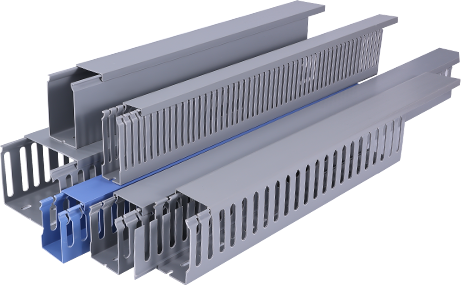

In the intricate world of infrastructure, there exists a component that often goes unnoticed yet plays a vital role in ensuring the smooth operation of our daily lives—Kabelkanal. Originating from German, where 'Kabel' means cable and 'Kanal' translates to channel or duct, Kabelkanal refers to specialized cable management systems designed to organize, protect, and route electrical and communication cables. This article delves into the significance, types, applications, and evolving role of Kabelkanal in contemporary infrastructure.
Kabelkanal systems are engineered to address the challenges of cable organization in diverse environments. In residential, commercial, and industrial settings, the proliferation of electrical wires, data cables, and communication lines creates a need for structured management to prevent tangling, damage, and interference. Without proper organization, cables can pose safety hazards, hinder maintenance efforts, and degrade signal quality. Kabelkanal serves as a dedicated pathway, guiding cables through buildings, underground, or along exterior surfaces while shielding them from physical harm, moisture, and electromagnetic interference.
The versatility of Kabelkanal is evident in its various forms and applications. In residential construction, Kabelkanal is commonly used to conceal wiring behind walls, under floors, or within ceilings, providing a clean and aesthetically pleasing solution. Homeowners benefit from reduced clutter and enhanced safety, as exposed cables are minimized. In commercial buildings, such as offices and shopping centers, Kabelkanal systems facilitate the installation of complex networks, including power distribution, internet connectivity, and security systems. These systems are often modular, allowing for easy expansion and reconfiguration as technological needs evolve.
Industrial environments demand robust Kabelkanal solutions capable of withstanding harsh conditions. Factories, power plants, and manufacturing facilities rely on heavy-duty Kabelkanal to protect cables from mechanical stress, extreme temperatures, and chemical exposure. These systems may feature reinforced materials, such as metal or high-density polyethylene, ensuring durability and longevity. Additionally, Kabelkanal in industrial settings often includes features like fire resistance and water tightness to meet stringent safety standards.
The evolution of Kabelkanal has been driven by technological advancements and changing infrastructure requirements. Traditional Kabelkanal systems were primarily made of metal, offering excellent protection but limited flexibility. Modern iterations now incorporate lightweight materials like PVC, fiberglass, and aluminum, balancing durability with ease of installation. Innovations such as split Kabelkanal, which allows for easy cable insertion without disassembling the entire system, have simplified maintenance and upgrades. Furthermore, the integration of smart technologies, such as sensors for temperature and humidity monitoring within Kabelkanal, enhances system reliability and predictive maintenance capabilities.
Sustainability has also become a key consideration in Kabelkanal design. As the world shifts toward eco-friendly practices, manufacturers are developing Kabelkanal using recycled materials and implementing energy-efficient production processes. Additionally, modular Kabelkanal systems reduce waste by allowing for precise customization, minimizing excess material usage. These sustainable practices not only benefit the environment but also align with the growing demand for green infrastructure solutions.
Despite its importance, Kabelkanal remains an underappreciated component of modern infrastructure. Its role in ensuring the reliability of our electrical and communication networks is often overshadowed by more visible technologies. However, as society becomes increasingly dependent on digital connectivity and smart systems, the significance of effective cable management cannot be overstated. Kabelkanal ensures that the backbone of our digital world—cables—operates efficiently, securely, and sustainably.
In conclusion, Kabelkanal is more than just a cable duct; it is a cornerstone of modern infrastructure. Its ability to organize, protect, and route cables across diverse environments makes it indispensable in residential, commercial, and industrial settings. As technology continues to advance, Kabelkanal will evolve to meet new challenges, incorporating innovative materials, smart features, and sustainable practices. By recognizing the critical role of Kabelkanal, we gain a deeper appreciation for the unsung heroes that keep our world connected and functional.