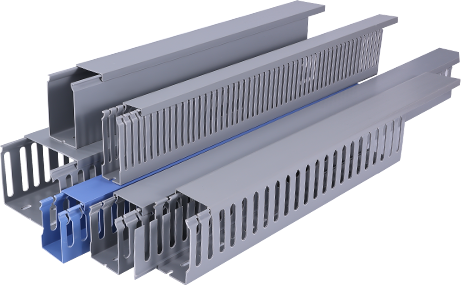

In today's technology-driven world, managing cables has become an essential aspect of both residential and commercial spaces. Cable raceway, also known as wire duct or cable tray, provides an elegant and functional solution to the ever-growing challenge of cable management. This comprehensive guide will explore the benefits, types, installation process, and applications of cable raceway systems.
Cable raceway serves as a protective enclosure for electrical, data, and communication cables, offering numerous advantages over traditional cable management methods. One of the primary benefits is enhanced organization—raceway systems allow for neat and systematic arrangement of cables, eliminating the unsightly mess of tangled wires. This not only improves the aesthetic appeal of any space but also simplifies maintenance and troubleshooting processes. Additionally, cable raceway provides physical protection against dust, moisture, and accidental damage, extending the lifespan of cables and reducing the risk of electrical hazards.
There are several types of cable raceway available, each designed to meet specific needs. Surface-mount raceway, the most common type, is installed directly on walls or ceilings and comes in various materials including PVC, metal, and aluminum. For more discreet applications, in-wall raceway is concealed within walls during construction or renovation projects. Floor raceway systems, on the other hand, are ideal for high-traffic areas where wall or ceiling installation is impractical. These raceways feature durable covers that can withstand foot traffic and even light vehicle loads.
The installation process of cable raceway is relatively straightforward, making it suitable for both DIY enthusiasts and professional electricians. Before installation, it's essential to plan the cable route carefully, considering factors such as cable type, length, and future expansion needs. The raceway should be measured and cut to the appropriate size, with corners and joints properly fitted using connectors and elbows. Once the raceway is securely mounted, cables can be pulled through and organized within the enclosure. Finally, the raceway cover is snapped into place, providing a clean and finished appearance.
Cable raceway finds applications in a wide range of settings. In residential spaces, it is commonly used to conceal TV cables, internet lines, and home theater wiring, creating a clutter-free environment. In commercial buildings, raceway systems are essential for managing complex networks of data cables, telephone lines, and power cords in offices, conference rooms, and server rooms. Industrial facilities benefit from heavy-duty metal raceway that can withstand harsh environments and support large bundles of cables. Educational institutions and healthcare facilities also rely on cable raceway to maintain organized and safe wiring infrastructure.
When selecting a cable raceway system, several factors should be considered. Material choice depends on the environment—PVC is cost-effective and suitable for most indoor applications, while metal raceway offers superior durability and fire resistance. The size of the raceway should accommodate current cables with room for future expansion. Additionally, aesthetic considerations may influence the choice of raceway color and design to ensure it complements the surrounding decor.
In conclusion, cable raceway is an indispensable tool for modern cable management. By organizing and protecting cables, it not only improves the visual appeal of any space but also enhances safety and simplifies maintenance. With various types available to suit different applications, cable raceway offers a versatile solution for both residential and commercial needs. Whether you're setting up a home office, renovating a commercial space, or maintaining an industrial facility, investing in a quality cable raceway system is a decision that will pay dividends in terms of organization, efficiency, and peace of mind.