
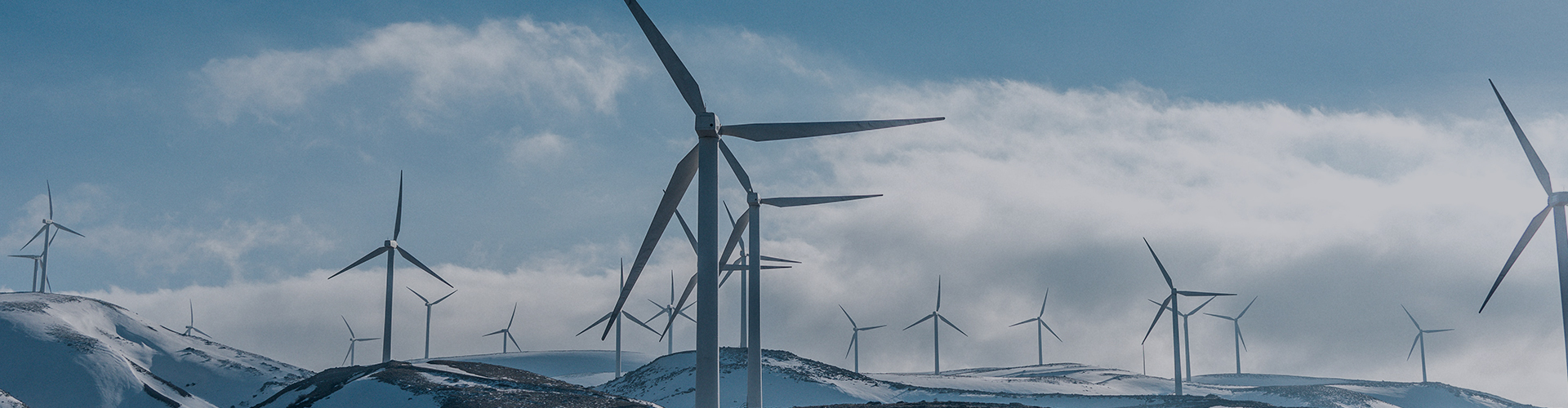
In wind energy generation systems, trunking is a core component ensuring the safe transmission of cables. Wind farms are mostly located in complex environments with high wind speeds, strong sandstorms, and large temperature differences. Trunking needs to cope with challenges such as vibration, corrosion, and extreme climates. Its solutions must balance electrical safety, environmental resistance, maintenance convenience, and cost control. Through scientific design, it provides reliable protection for cables in wind turbine cabins and transmission lines, reduces fault risks, improves power generation efficiency, and lays a foundation for the stable development of the wind energy industry.

By optimizing material proportions and structural design, trunking controls costs while ensuring performance. High-strength and lightweight materials are used to reduce energy consumption in transportation and installation. Ultra-long service life reduces replacement frequency and lowers long-term investment. Reasonable wiring planning shortens cable length and reduces electrical energy loss. The solution balancing reliability and economy helps wind farms reduce costs, improve efficiency, and ensure long-term stable power generation.

Trunking adopts a quick-release cover design, facilitating daily inspection and cable maintenance and reducing downtime for repairs. Standardized interfaces support quick splicing, lowering the difficulty of expansion and transformation. The compartmental structure realizes the separation of power lines and signal lines, reduces electromagnetic interference, and improves fault detection efficiency. The smooth surface treatment reduces dust accumulation, prolongs the cleaning cycle, and provides convenience for low-cost maintenance throughout the whole life cycle of wind farms.

Targeting the sandy environment of onshore wind farms, high salt spray of coastal wind power, and strong corrosion of offshore wind energy, trunking adopts differentiated material formulas. Onshore models are enhanced for sand and wind wear resistance, while offshore models are added with anti-corrosion coatings. The modular structure adapts to the installation needs of narrow spaces in wind turbine towers and cabins. The flexible bending feature adapts to complex wiring paths, ensuring neat arrangement and reliable fixation of cables in scenarios such as high towers and wild fields.

Wind energy trunking is made of high-strength flame-retardant insulating materials, meeting the safety requirements of high-voltage and high-vibration environments in wind turbine cabins and complying with strict standards such as IEC and UL. The special sealed structure can resist the intrusion of sand, dust, and water vapor, preventing cable aging and short circuits. The anti-vibration design reduces cable friction damage and adapts to the continuous shaking of wind turbines during operation. Meanwhile, high and low temperature resistance performance copes with large day-night temperature differences, building an all-round safety barrier for the electrical system of wind farms.
A wind energy project developer mentioned that the manufacturer provided a special trunking solution for the complex wiring in the turbine nacelle. The technical team conducted on-site surveys and optimized the bending angle and fixing method. The after-sales team responded quickly to maintenance needs and provided professional guidance. This tailored service ensures the perfect fit of the trunking in the limited space of the nacelle, providing strong support for the smooth operation of the wind farm.
A wind farm EPC contractor stated that the modular design of the trunking significantly improves installation efficiency. The pre-assembled components reduce on-site splicing time by 40%, and the lightweight material makes hoisting and transportation easier. The standardized interface is compatible with different models of wind turbines, reducing the types of spare parts. In the large-scale wind farm construction, it effectively shortened the construction period and reduced labor costs.
A wind turbine manufacturer evaluated that the trunking's flame-retardant and anti-vibration design provides reliable protection for the electrical system. It passed the IEC 61400 vibration test, and there is no cable loosening or insulation damage during long-term operation of the turbine. The flame-retardant material meets the V-0 standard, which effectively prevents fire spread in case of accidental short circuits. Since it was put into use, no safety accidents caused by trunking problems have occurred, ensuring the safe operation of wind turbines.