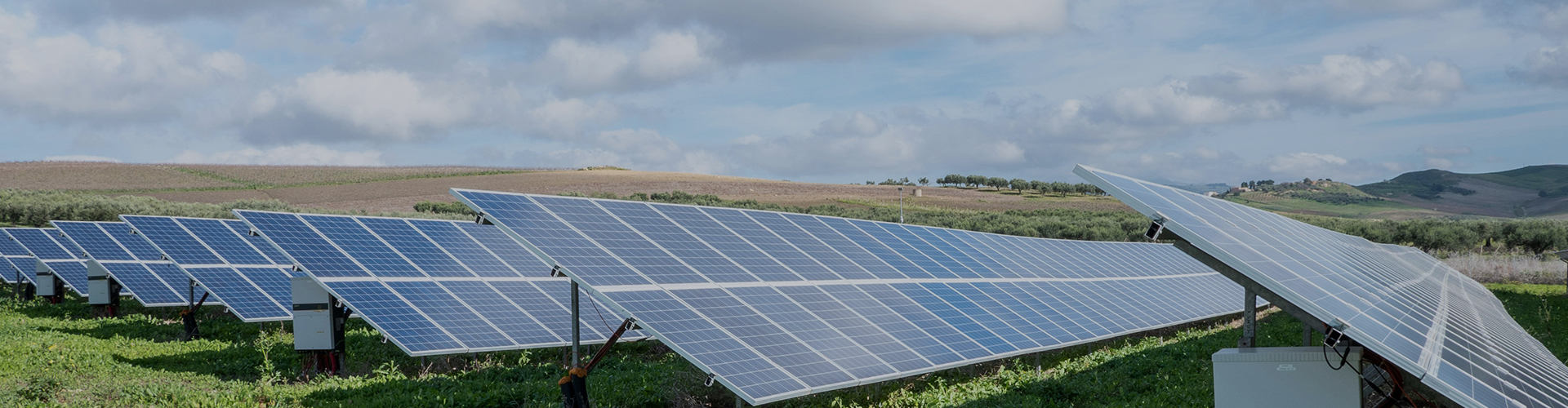
In the construction of photovoltaic power plants, trunking, as a key wiring component, is crucial to system stability, safety, and operational efficiency. Its solutions need to balance electrical safety, environmental adaptability, installation convenience, and cost optimization. Addressing the characteristics of photovoltaic scenarios such as high temperatures, strong ultraviolet radiation, and complex terrain, trunking must provide reliable cable protection and reduce potential faults. Meanwhile, scientific design helps power plants operate efficiently, laying a foundation for the sustainable development of the photovoltaic industry.

Trunking solutions achieve cost control through optimized material selection and structural design, using cost-effective and environmentally friendly materials to reduce initial investment. Their durability reduces replacement frequency and lowers long-term maintenance expenses. Meanwhile, the efficient wiring design of trunking reduces cable waste, improves space utilization, and indirectly enhances power generation efficiency of power plants. The solution balancing quality and cost helps photovoltaic enterprises control budgets while ensuring long-term stable operation of power plants.

Trunking solutions focus on modular design, facilitating quick installation and later expansion. Standardized interfaces and lightweight structures reduce construction difficulty, adapting to the complex arrangement of photovoltaic arrays. In terms of maintenance, the openable design of trunking allows easy cable inspection and repair without large-scale disassembly, lowering maintenance costs. Reasonable compartmental design achieves separation of strong and weak currents, improving fault detection efficiency, supporting the convenient management of power plants throughout their life cycle, and shortening downtime for maintenance.

Most photovoltaic power plants are built outdoors, so trunking must withstand extreme climates. For environments with high temperatures, severe cold, and strong ultraviolet radiation, trunking uses weather-resistant materials with anti-aging and anti-corrosion properties. In rainy areas, trunking is designed with drainage structures to prevent water accumulation; in sandy regions, its sealing performance can block sand and dust intrusion. Meanwhile, the impact strength of trunking is adapted to different installation scenarios such as rooftops and ground, ensuring stable cable protection even in harsh environments.

Trunking provides enclosed protection for cables in photovoltaic power plants, preventing exposed cables from external damage and reducing the risks of short circuits and electric leakage. Made of flame-retardant and insulating materials, the trunking meets safety requirements in high-voltage photovoltaic systems and complies with certification standards such as UL and VDE. Reasonable trunking layout standardizes cable routing, reduces electromagnetic interference, and ensures stable current transmission. In addition, the sealed structure of trunking prevents moisture and dust intrusion, extending cable service life and building a solid defense for the safe operation of power plants.
A coastal wind farm operator reported that the trunking shows excellent performance in high salt spray environments. The anti-corrosion coating on the surface remains intact after three years of operation, and there is no rust or material degradation. The reinforced sealing structure effectively blocks sea breeze and moisture intrusion, keeping the internal cables in good condition. Even in typhoon-level strong winds, the fixed structure remains stable, fully meeting the harsh environmental requirements of offshore wind farms.
A photovoltaic system integrator mentioned that for the complex terrain of mountain photovoltaic projects, the manufacturer's customized arc-shaped trunking solution perfectly fits the curvature of the 支架 (brackets). The technical team provided on-site guidance for wiring planning, and the optimized drainage design solved the hidden danger of water accumulation. The after-sales team responds to fault consultations within 24 hours and quickly provides spare parts support, ensuring the progress during the power station construction period and stability during the operation period. This professional service provides strong guarantee for the smooth delivery of the project.
A distributed photovoltaic project developer stated that the modular design of the trunking reduces installation man-hours by 30%. Standardized interfaces adapt to the wiring needs of different components, reducing customized processing costs. The weather-resistant material extends the service life to more than 25 years, matching the life cycle of photovoltaic power stations and avoiding mid-term replacement investments. The lightweight feature reduces transportation costs. In rooftop photovoltaic projects, its comprehensive cost advantage significantly improves the return on investment.
A photovoltaic EPC engineering company evaluated that the flame-retardant and insulating properties of the trunking enhance the safety of the power station. The material certified by UL94 V-0 shows no spread of open flame in simulated short-circuit tests, and the anti-arc design reduces the risk of electric shock. The layered wiring structure enables orderly separation of AC and DC cables, reducing phase interference and improving the operational stability of inverters. No electrical faults caused by trunking issues have occurred since commissioning, meeting the safety specification requirements of power stations.
A large ground-mounted photovoltaic power station reported that the trunking performs excellently in high-temperature and strong ultraviolet environments. The anti-UV material used shows no cracking or aging after two years of exposure to sunlight. The sealed structure effectively blocks the intrusion of sand, dust and rainwater, keeping the cables inside dry and clean. It still maintains good toughness at -30℃ without embrittlement, fully adapting to the extreme climate of photovoltaic scenarios in the northwest desert and significantly reducing the frequency of cable maintenance.