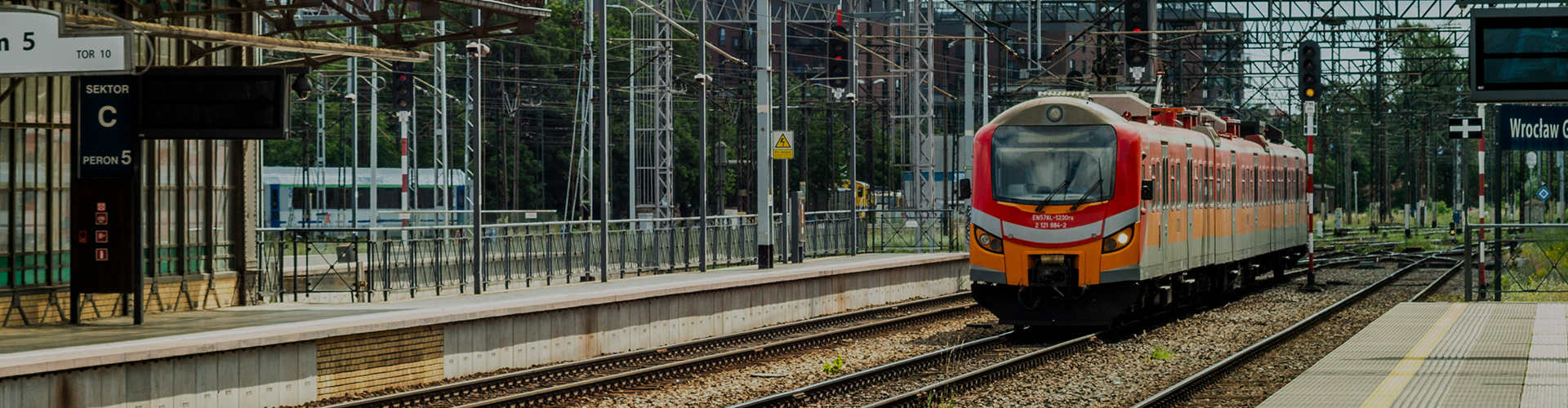
In rail transit systems, trunking is a core component ensuring the safe transmission of on-board and track-side cables. Rail transit faces challenges such as high-frequency vibration, dense passenger flow, extreme temperature differences, and harsh electromagnetic environments, placing extremely high demands on the reliability, durability, and space adaptability of cable protection. Trunking solutions need to integrate safety compliance, environmental resistance, layout optimization, and cost efficiency. Through professional design, they provide stable support for train and track-side electrical systems, facilitating the efficient and safe operation of rail transit.

Trunking uses maintenance-free and durable materials with a service life of more than 30 years, significantly reducing replacement frequency and labor costs. The standardized interface design is compatible with the needs of different vehicle models and lines, with a universality rate exceeding 85%, reducing investment in customized molds. Lightweight materials reduce train energy consumption, and the integrated installation structure shortens the construction period. Meanwhile, flame-retardant and environmental protection characteristics reduce later environmental compliance costs, achieving optimal economy throughout the whole life cycle.

The equipment compartment of rail transit has limited space. Trunking adopts a modular layered design to realize the orderly separation of power lines, signal lines, and control lines, facilitating inspection and maintenance. The ultra-thin wall thickness (≤1.5mm) and compact structure improve space utilization, adapting to the complex wiring environment at the bottom of trains and the top of carriages. The structurally designed with customizable bending angles accurately matches the irregular installation space of track-side equipment and train bodies, reducing cable redundancy.

Targeting environments such as high humidity in tunnels, strong ultraviolet radiation on open-air track sides, and heavy dust in underground lines, trunking adopts differentiated protection designs: tunnel trunking enhances waterproof and sealing performance, open-air models add anti-UV coatings, and underground line products strengthen dust-proof structures. The high and low temperature resistance range covers -50℃ to 150℃, adapting to climate differences in different regions. Anti-corrosion materials are suitable for the salt spray environment of coastal lines, ensuring stable performance during long-term use.

Rail transit trunking uses high-strength insulating materials with a flame retardancy rating of UL94 V-0, complying with the EN 45545 fire safety standard, which can delay the spread of fire in fire conditions. The anti-electromagnetic interference structure design reduces signal transmission loss, adapting to the needs of train communication and control systems. The reinforced buckle fixing method has passed the vibration test (EN 50155), ensuring no loosening or falling off during high-speed operation. Meanwhile, the materials do not contain harmful substances such as halogens, meeting rail transit environmental protection and safety regulations.
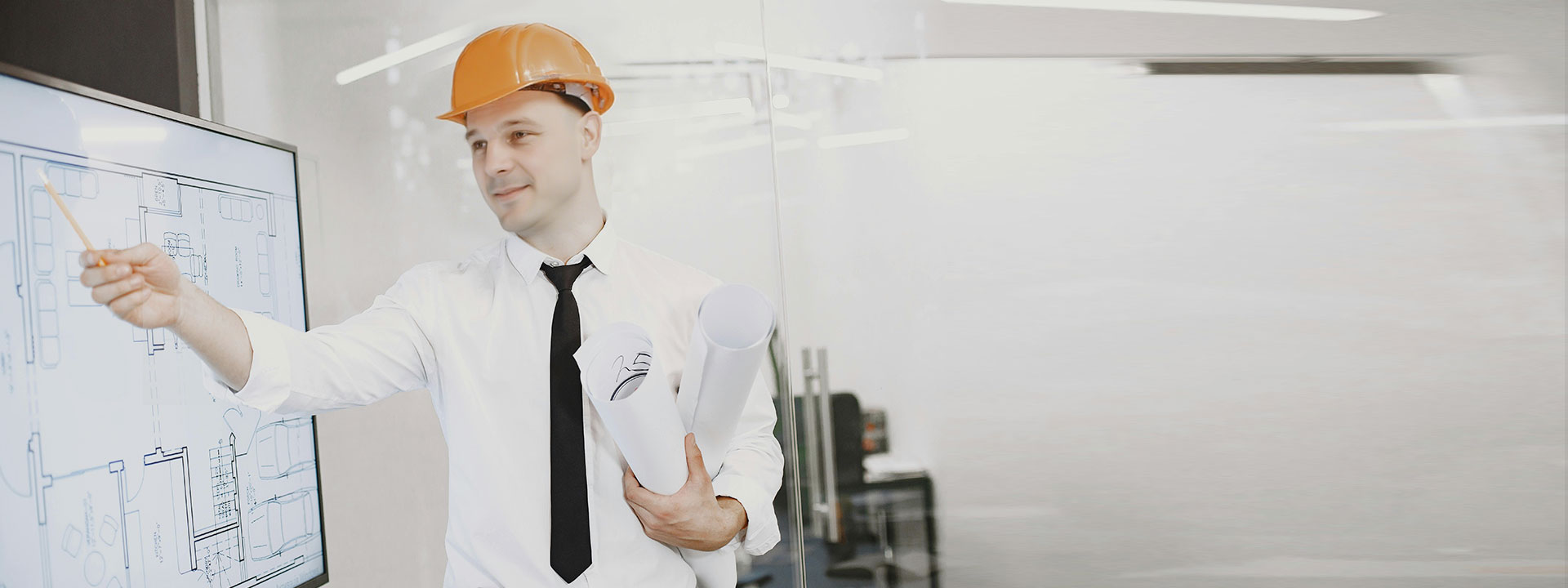
A rail system integrator mentioned that for the narrow equipment compartment of trains, the manufacturer's special-shaped trunking fits perfectly. The technical team participated in wiring planning throughout the process, optimizing the layout through 3D modeling to avoid interference. After-sales response is rapid, solving sudden problems within 24 hours and providing professional support during the critical period of project acceptance. This customized service ensures the smooth implementation of rail transit projects.
A rail transit vehicle factory stated that the modular design of the trunking increases installation efficiency by 40%. Standardized interfaces are compatible with wiring of different vehicle models, reducing customized processing costs. The openable cover facilitates later maintenance, and the compartment structure shortens fault 排查 time by 50%. Lightweight materials reduce vehicle load, significantly lowering labor and time costs in mass production and helping vehicles be delivered quickly.
A rail transit engineering company evaluated that the trunking performs excellently in high-humidity tunnels and high-temperature open-air environments. Tunnel trunking has outstanding waterproof and sealing performance, effectively blocking condensation intrusion; the anti-UV coating of open-air products shows no aging after exposure, and the temperature resistance range of -50℃ to 150℃ covers extreme climates. The anti-corrosion model used in coastal lines shows no rust after three years, fully adapting to the diverse environmental needs of rail transit.
A metro operation company reported that the fire resistance and flame retardancy of the trunking fully comply with EN 45545 standards. The UL94 V-0 grade material passed strict fire resistance tests, and the anti-electromagnetic interference design ensures stable transmission of the signal system. The reinforced fixing structure shows no loosening under high-frequency vibration of trains, and the layered wiring keeps power and control cables separated in order. No operational failures caused by trunking issues have occurred in five years of use, providing strong guarantee for driving safety.