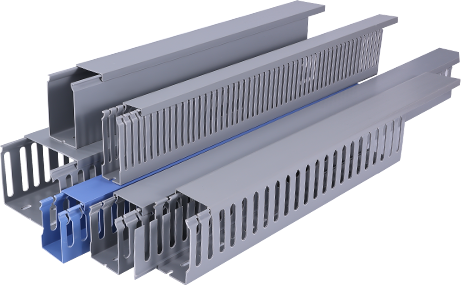

Cable duct, also known as cable tray or cable management system, is an essential component in modern electrical and communication infrastructure. It provides a structured and organized pathway for electrical cables, data cables, and fiber optic cables, ensuring efficient installation, maintenance, and protection.
The design of cable duct systems depends on various factors including the type of cables, environmental conditions, load capacity requirements, and aesthetic considerations. Common materials used for cable ducts include galvanized steel, aluminum, stainless steel, and plastic. Each material offers distinct advantages: galvanized steel provides excellent strength and corrosion resistance, aluminum is lightweight and easy to install, stainless steel is ideal for harsh environments, and plastic offers cost-effectiveness and insulation properties.
Installation of cable duct requires careful planning and adherence to industry standards. The process typically involves measuring and marking the installation area, cutting the duct to required lengths, mounting support brackets, and securing the duct sections. Proper spacing between cables is crucial to prevent overheating and ensure optimal performance. Cable ducts should also be installed with appropriate bends and transitions to accommodate changes in direction without causing cable damage.
Cable ducts find applications in various sectors including commercial buildings, industrial facilities, residential complexes, and infrastructure projects. In data centers, cable ducts play a critical role in organizing the extensive network of data cables, ensuring efficient airflow and reducing the risk of cable entanglement. In industrial settings, they protect cables from mechanical damage, chemical exposure, and extreme temperatures.
Maintenance of cable duct systems is essential for long-term performance. Regular inspections should be conducted to check for signs of wear, corrosion, or damage. Any damaged sections should be replaced promptly to prevent cable exposure. Cleaning the ducts periodically helps remove dust and debris that can accumulate over time and affect cable performance.
Advancements in cable duct technology have led to the development of innovative solutions such as fire-resistant ducts, waterproof ducts, and modular systems that allow for easy expansion. These advancements have expanded the applications of cable ducts to more demanding environments and increased their versatility.
In conclusion, cable duct systems are integral to modern infrastructure, providing efficient cable management solutions that enhance safety, organization, and performance. By understanding the design principles, installation techniques, and applications of cable ducts, engineers and installers can create optimized systems that meet the specific needs of each project.