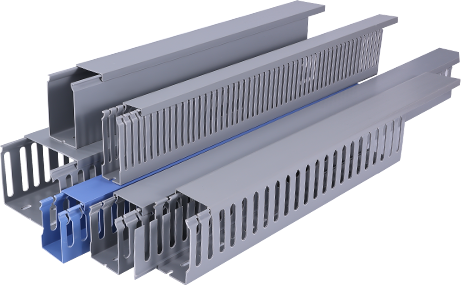

Electrical ducting, also known as conduit or wiring duct, is a critical component in electrical installations, providing a safe and organized pathway for electrical cables and wires. This protective system not only safeguards electrical conductors from physical damage but also ensures compliance with safety regulations and enhances the overall aesthetics of electrical systems.
The primary function of electrical ducting is to shield electrical wires from external hazards such as moisture, dust, chemicals, and mechanical impact. In industrial settings, where heavy machinery and constant foot traffic are common, ducting prevents accidental damage to wiring that could lead to short circuits, electrical fires, or power outages. In residential applications, it protects wires from being chewed by rodents or damaged during renovations, ensuring the longevity of the electrical system.
There are various types of electrical ducting available, each designed for specific environments and applications. PVC (polyvinyl chloride) ducting is lightweight, corrosion-resistant, and cost-effective, making it suitable for indoor and outdoor use. Metal ducting, such as steel or aluminum, offers superior mechanical protection and is often used in industrial and commercial buildings where durability is a priority. Flexible ducting, made from materials like corrugated plastic or metal, is ideal for installations requiring bends or maneuverability around obstacles.
Proper installation of electrical ducting is crucial to its effectiveness. The process begins with careful planning to determine the optimal route for the ducting, considering factors such as the type of wiring, environmental conditions, and accessibility for future maintenance. Ducting should be securely fastened using appropriate brackets and supports to prevent sagging or displacement. Additionally, proper grounding of metal ducting is essential to prevent electrical shocks and ensure compliance with safety standards.
Electrical ducting also plays a vital role in cable management, allowing for the organized routing of multiple wires. By grouping cables within a single duct, installers can reduce clutter and simplify troubleshooting, making it easier to identify and repair faulty wiring. This organized approach also facilitates future expansions or modifications to the electrical system, as new cables can be added without disrupting existing installations.
In terms of safety, electrical ducting helps prevent electrical hazards by containing any sparks or heat generated by faulty wiring. In the event of a short circuit, the ducting acts as a barrier, minimizing the risk of fire spreading to surrounding materials. It also protects individuals from accidental contact with live wires, reducing the likelihood of electrical shocks.
Environmental considerations are another important aspect of electrical ducting. Many modern ducting materials are recyclable, contributing to sustainable construction practices. Additionally, some ducting systems are designed to resist UV radiation and extreme temperatures, making them suitable for outdoor installations in harsh climates.
The selection of electrical ducting depends on several factors, including the type of wiring, installation environment, and local building codes. For example, in areas prone to flooding, waterproof ducting is necessary to protect wires from water damage. In corrosive environments, such as chemical plants, ducting made from corrosion-resistant materials like PVC or stainless steel is recommended.
Regular maintenance of electrical ducting is essential to ensure its continued effectiveness. Inspections should be conducted periodically to check for signs of damage, such as cracks, dents, or loose connections. Any damaged ducting should be promptly repaired or replaced to maintain the integrity of the electrical system. Additionally, keeping ducting clean and free from debris prevents blockages that could impede the flow of air or cause overheating of wires.
In conclusion, electrical ducting is an indispensable component of modern electrical systems, providing protection, organization, and safety. By understanding the different types of ducting available and following proper installation and maintenance practices, individuals and businesses can ensure the reliability and longevity of their electrical installations. Whether in residential, commercial, or industrial settings, investing in quality electrical ducting is a wise decision that pays off in terms of safety, efficiency, and peace of mind.