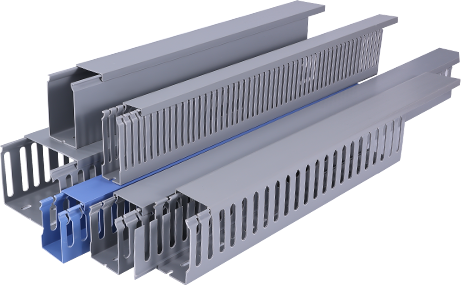

Cable ducts, also known as cable trays or wiring channels, are an integral part of modern infrastructure systems. These specialized structures provide a safe, organized pathway for electrical and communication cables, ensuring efficient management and protection against environmental hazards. In this comprehensive guide, we will explore the various aspects of cable ducts, from their design principles to installation techniques and diverse applications across industries.
The design of cable ducts is a meticulous process that requires careful consideration of multiple factors. Engineers must first assess the specific requirements of the project, including the type and number of cables to be housed, the environmental conditions of the installation site, and the expected load capacity. Material selection is another critical aspect, with options ranging from galvanized steel and aluminum to PVC and fiberglass. Each material offers distinct advantages: steel provides exceptional strength for heavy-duty applications, while PVC offers corrosion resistance in damp environments. The cross-sectional dimensions of the duct must accommodate the total volume of cables, allowing for future expansion while maintaining proper airflow to prevent overheating.
Installation of cable ducts demands precision and adherence to industry standards. The process typically begins with site preparation, which involves mapping out the optimal route and ensuring structural support for the duct system. Mounting brackets or hangers are strategically placed to distribute the weight evenly and maintain the required clearance from other building elements. Special attention is given to the alignment and connection of duct sections, as any misalignment can create obstacles for cable installation and increase the risk of damage. Sealing joints with appropriate gaskets or tapes is essential to prevent dust, moisture, and pests from entering the duct, which could compromise the integrity of the cables inside.
The applications of cable ducts span across a wide range of sectors, each with unique requirements. In commercial buildings, they are used to organize electrical wiring for lighting, power distribution, and communication systems, contributing to a clutter-free and aesthetically pleasing environment. Industrial facilities rely on robust cable ducts to protect power and control cables in harsh conditions, such as high temperatures, chemical exposure, and mechanical stress. The transportation sector also benefits from cable ducts, with installations in airports, railways, and highways to manage signaling, surveillance, and communication cables. Even in residential construction, cable ducts are increasingly popular for their ability to conceal wiring and facilitate easy maintenance.
In conclusion, cable ducts play a vital role in ensuring the reliability and efficiency of modern cable management systems. By understanding their design principles, installation techniques, and diverse applications, professionals can make informed decisions that optimize performance and longevity. As technology continues to advance, the demand for sophisticated cable duct solutions will only grow, driving innovation in materials and design to meet the evolving needs of industries worldwide. Whether you are an engineer planning a new infrastructure project or a facility manager seeking to upgrade existing systems, a thorough knowledge of cable ducts is indispensable for achieving optimal results.