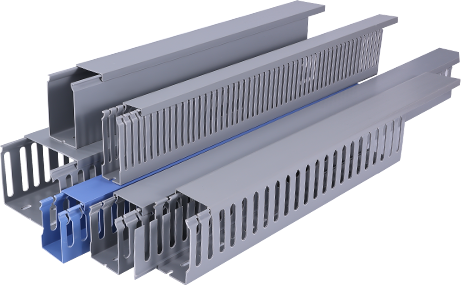

Wiring duct, an essential component in electrical systems, serves as a critical infrastructure for organizing, protecting, and managing electrical cables. As modern buildings and industrial facilities become increasingly complex with a growing number of electrical connections, the importance of proper cable management cannot be overstated. This guide explores the various aspects of wiring duct, from its fundamental purpose to advanced applications and installation techniques.
At its core, wiring duct is designed to provide a structured pathway for electrical cables, preventing tangling, damage, and interference. Unlike traditional cable management solutions such as cable ties or simple conduits, wiring duct offers a more organized approach with dedicated compartments for different types of cables. This segregation is particularly valuable in environments where multiple systems coexist, such as data centers, manufacturing plants, and commercial buildings. By separating power cables from communication lines, wiring duct helps minimize electromagnetic interference (EMI) and radio frequency interference (RFI), ensuring optimal performance of sensitive equipment.
There are several types of wiring duct available, each designed for specific applications. PVC wiring duct, made from polyvinyl chloride, is the most common type due to its affordability, lightweight nature, and resistance to corrosion. It is widely used in residential and light commercial applications. For more demanding environments, such as industrial settings with high temperatures or chemical exposure, metal wiring duct—typically made from steel or aluminum—is preferred. Metal duct offers superior durability, fire resistance, and shielding properties. Another specialized type is the slotted wiring duct, which features pre-cut slots for easy cable insertion and removal, making it ideal for applications requiring frequent modifications.
The applications of wiring duct extend beyond basic cable organization. In data centers, for example, wiring duct plays a crucial role in maintaining airflow and cooling efficiency. By routing cables in a neat, vertical or horizontal manner, it prevents blockages in server racks and allows for proper ventilation. This not only improves the performance of cooling systems but also extends the lifespan of servers and other equipment. In manufacturing facilities, wiring duct is used to organize cables in production lines, reducing the risk of accidents caused by loose cables and facilitating quick troubleshooting when issues arise. Additionally, in healthcare settings, wiring duct helps maintain compliance with strict safety standards by ensuring that electrical systems are properly insulated and organized.
Proper installation of wiring duct requires careful planning and attention to detail. The first step is to assess the specific needs of the project, including the number and type of cables, environmental conditions, and future expansion requirements. This assessment helps determine the appropriate size, material, and configuration of the duct. Next, the installation process involves measuring and cutting the duct to the required length, ensuring precise fits to avoid gaps or overlaps. It is essential to secure the duct firmly to the mounting surface using appropriate fasteners, such as screws or adhesive, depending on the material and application. When routing cables, it is important to follow the manufacturer's guidelines regarding bend radius to prevent damage to the cables' insulation.
Maintenance of wiring duct is another critical aspect of long-term performance. Regular inspections should be conducted to check for signs of wear, damage, or overcrowding. Over time, dust and debris can accumulate inside the duct, potentially causing overheating or interference. Cleaning the duct periodically with a soft brush or compressed air helps maintain optimal airflow and cable performance. Additionally, as new equipment is added or existing systems are upgraded, the duct should be reconfigured to accommodate changes, ensuring that cables remain organized and accessible.
In conclusion, wiring duct is a versatile and indispensable tool in modern electrical systems. Its ability to organize, protect, and manage cables contributes to the safety, efficiency, and reliability of electrical infrastructure. By understanding the different types of wiring duct, their applications, and proper installation techniques, professionals can design and implement effective cable management solutions that meet the demands of today's complex environments. Whether in residential, commercial, or industrial settings, investing in quality wiring duct is a wise decision that pays dividends in terms of reduced maintenance costs, improved system performance, and enhanced safety.