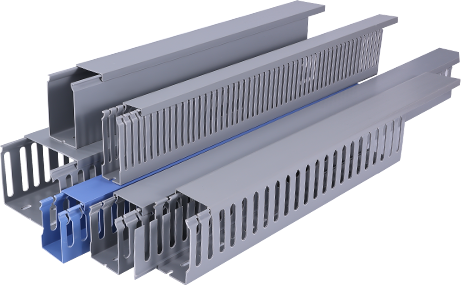

In the complex ecosystem of rail transit systems, every component plays a vital role in ensuring seamless operations, passenger safety, and long-term reliability. Among these essential elements, wiring duct for rail transit stands out as a seemingly unassuming yet indispensable infrastructure component. These specialized enclosures for electrical and communication cables form the nervous system of modern rail networks, facilitating the transmission of critical signals, power distribution, and data communication that keep trains running safely and efficiently.
Rail transit environments present unique challenges that demand specialized wiring solutions. Trains and rail infrastructure are exposed to extreme conditions including temperature fluctuations, vibration, moisture, dust, and mechanical stress. Wiring duct for rail transit is engineered to withstand these harsh conditions while maintaining optimal performance. Unlike standard wiring solutions used in commercial or residential settings, rail-specific duct systems are designed with materials and construction that meet rigorous industry standards for fire resistance, impact resistance, and environmental protection.
One of the primary functions of wiring duct in rail transit is to organize and protect the extensive network of cables that power and control train operations. Modern rail systems rely on a complex web of electrical and communication cables for everything from traction power and signaling to passenger information systems and safety monitoring. Without proper organization, these cables would be prone to tangling, damage, and interference, leading to operational disruptions and safety hazards. Wiring duct provides a structured pathway that separates different types of cables, preventing electromagnetic interference and ensuring each system operates independently without cross-contamination.
Safety is paramount in rail transit, and wiring duct plays a critical role in maintaining safe operations. By enclosing cables in robust, fire-resistant ductwork, rail operators can minimize the risk of electrical fires and contain any potential incidents within the duct system. Many rail transit wiring ducts are constructed from self-extinguishing materials that meet strict fire safety standards, providing an additional layer of protection in the event of an emergency. Furthermore, these ducts are designed to prevent accidental contact with live wires, reducing the risk of electrical hazards for maintenance personnel and passengers alike.
The design and installation of wiring duct for rail transit require careful planning and engineering to accommodate the specific needs of each rail system. Factors such as cable capacity, bend radius requirements, accessibility for maintenance, and compatibility with existing infrastructure must all be considered. Modular duct systems have become increasingly popular in recent years, allowing for flexible configurations that can adapt to the unique layout of different rail vehicles and stations. These modular designs also facilitate easier maintenance and upgrades, as individual sections can be removed or replaced without disrupting the entire system.
In addition to their functional benefits, wiring duct for rail transit also contributes to the overall efficiency and sustainability of rail operations. Proper cable management reduces energy loss by minimizing cable resistance and optimizing signal transmission. Well-organized wiring systems also simplify troubleshooting and maintenance, reducing downtime and operational costs. Furthermore, the use of durable, long-lasting materials in rail wiring duct reduces the need for frequent replacements, lowering the environmental impact of rail infrastructure maintenance.
As rail transit systems continue to evolve with the integration of advanced technologies such as automated train control, passenger Wi-Fi, and IoT-based monitoring systems, the demand for sophisticated wiring duct solutions will only increase. These next-generation rail systems require higher bandwidth, more complex cabling configurations, and enhanced protection against cyber threats. Wiring duct manufacturers are responding to these challenges by developing innovative solutions that incorporate features such as electromagnetic shielding, fiber optic compatibility, and smart monitoring capabilities.
The selection of wiring duct for rail transit projects involves careful consideration of material properties, performance specifications, and compliance with industry standards. Common materials used include high-grade plastics, aluminum, and stainless steel, each offering distinct advantages depending on the specific application. Plastic ducts are lightweight and corrosion-resistant, making them ideal for interior applications, while metal ducts provide superior mechanical protection and electromagnetic shielding for more demanding environments.
Installation practices for rail transit wiring duct also require specialized knowledge and expertise. Proper installation ensures that the duct system can withstand the constant vibration and movement of rail vehicles while maintaining cable integrity. This includes secure mounting, appropriate sealing to prevent moisture ingress, and proper grounding to protect against electrical surges. Regular inspection and maintenance of wiring duct systems are also essential to identify potential issues before they escalate into operational problems.
In conclusion, wiring duct for rail transit is a foundational component that supports the entire rail ecosystem. From ensuring the safe transmission of critical signals to organizing the complex network of cables that power modern rail systems, these specialized enclosures play a multifaceted role in maintaining the reliability, efficiency, and safety of rail operations. As rail transit continues to expand and adopt new technologies, the importance of high-quality, purpose-built wiring duct solutions will only grow, making them an essential consideration for any rail infrastructure project.