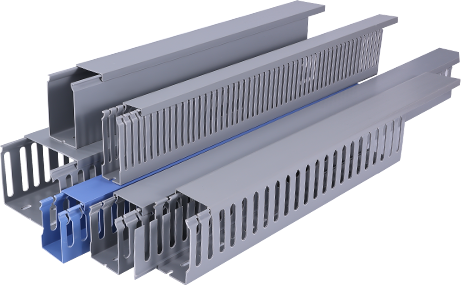

In the complex world of electrical systems, power distribution panels serve as the central hub for managing and distributing electrical power throughout commercial and industrial facilities. Among the critical components that ensure the efficiency, safety, and organization of these panels, wiring duct stands out as an unsung hero. This guide explores the importance of wiring duct for power distribution panels, offering insights into its selection, installation, and best practices to optimize panel performance.
Wiring duct, also known as wire duct or cable duct, is a channel designed to route, protect, and organize electrical wires and cables within power distribution panels. Its primary function is to prevent wire entanglement, reduce the risk of short circuits, and simplify maintenance and troubleshooting. Without proper wiring duct, panels can quickly become cluttered, making it challenging to identify and address electrical issues, which can lead to downtime and safety hazards.
When selecting wiring duct for power distribution panels, several factors must be considered to ensure compatibility and effectiveness. First, the material of the duct plays a crucial role. Common materials include PVC, aluminum, and steel. PVC duct is lightweight, cost-effective, and resistant to corrosion, making it suitable for indoor applications with moderate temperatures. Aluminum duct offers excellent heat dissipation and is ideal for panels with high-power components, while steel duct provides superior durability and protection against physical damage, making it suitable for harsh industrial environments.
Another key consideration is the size of the duct. The width and height of the duct must accommodate the number and size of wires and cables within the panel. It is essential to calculate the total cross-sectional area of the wires and ensure that the duct has sufficient space to prevent overcrowding, which can impede airflow and lead to overheating. Additionally, the duct's opening type—such as snap-on, hinged, or removable cover—should be chosen based on the frequency of access required for maintenance. Snap-on covers are convenient for quick inspections, while hinged covers offer secure protection during normal operation.
Installation of wiring duct in power distribution panels requires careful planning and precision. The first step is to map out the wire routes within the panel, considering the layout of circuit breakers, terminals, and other components. Ducts should be installed in a way that minimizes wire bends and ensures a straight, organized path. It is recommended to use mounting brackets or adhesive to secure the duct to the panel, ensuring stability and preventing movement over time.
During installation, it is crucial to maintain proper spacing between wires and the duct walls to allow for airflow, which helps dissipate heat generated by electrical components. Overcrowding the duct can lead to increased temperatures, which may degrade wire insulation and increase the risk of electrical fires. Additionally, wires should be routed in a logical order, with similar circuits grouped together to simplify identification and maintenance. Labeling the duct sections and wires with clear identifiers further enhances panel organization and efficiency.
Best practices for using wiring duct in power distribution panels include regular inspection and maintenance. Panels should be checked periodically for signs of wear and tear, such as cracked duct walls or loose covers. Any damaged duct should be replaced immediately to prevent wire exposure and potential hazards. It is also important to update the duct layout as the panel configuration changes, such as when adding new circuits or components, to maintain optimal organization.
In conclusion, wiring duct is an indispensable component of power distribution panels, contributing significantly to their safety, efficiency, and reliability. By carefully selecting the right material, size, and type of duct, and following proper installation and maintenance practices, facility managers can ensure that their panels operate smoothly and minimize the risk of electrical issues. Investing in high-quality wiring duct and adhering to best practices not only enhances panel performance but also extends the lifespan of electrical components, ultimately reducing operational costs and improving overall system reliability.