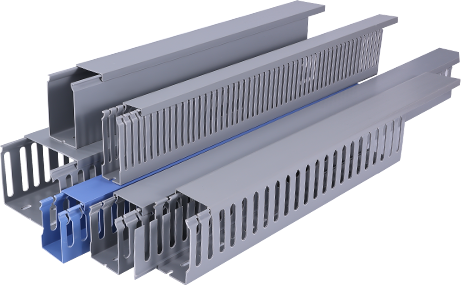

In the complex landscape of industrial machinery and equipment, the efficient management of electrical wiring is a critical component that directly impacts operational reliability, safety, and maintenance efficiency. Wiring duct for machinery and equipment has emerged as an indispensable solution for organizing and protecting electrical cables, wires, and conduits in various industrial settings. This specialized component serves as a structured pathway, guiding electrical connections while shielding them from environmental hazards, mechanical stress, and human interference.
Wiring duct, also known as cable duct or wire trough, is designed to accommodate the intricate network of electrical components found in machinery and equipment. Its primary function is to provide a systematic arrangement of wires, preventing tangling, abrasion, and exposure to potential damage. In manufacturing plants, automated production lines, and heavy machinery, where numerous cables power motors, sensors, control panels, and communication systems, wiring duct ensures that each wire is routed in a logical and accessible manner. This organized approach not only simplifies troubleshooting and maintenance but also minimizes the risk of electrical faults caused by loose or damaged wiring.
One of the key advantages of wiring duct for machinery and equipment is its ability to enhance workplace safety. Industrial environments are often characterized by high levels of mechanical activity, exposure to dust, moisture, and extreme temperatures. Without proper protection, electrical wires can become frayed, cracked, or exposed, leading to short circuits, equipment malfunctions, or even electrical fires. Wiring duct acts as a robust barrier, shielding wires from physical impact, chemical spills, and environmental contaminants. Additionally, it helps to isolate live wires from other components, reducing the risk of accidental contact and electrical shocks for maintenance personnel.
The versatility of wiring duct is another factor contributing to its widespread adoption. Available in various materials such as PVC, aluminum, steel, and fiberglass, it can be tailored to meet the specific requirements of different machinery and equipment. For instance, PVC duct is lightweight and corrosion-resistant, making it suitable for indoor applications with moderate environmental conditions. Aluminum and steel duct, on the other hand, offer superior durability and mechanical strength, ideal for heavy-duty machinery operating in harsh industrial environments. Fiberglass duct is often used in high-temperature settings where thermal resistance is a priority.
Installation flexibility is a crucial aspect of wiring duct design. It can be easily mounted on machinery frames, control cabinets, or walls using brackets, screws, or adhesive backing. Many wiring duct systems feature snap-on lids or removable covers, allowing for quick access during installation, maintenance, or upgrades. This accessibility is particularly valuable in industries where machinery requires frequent reconfiguration or where new components are added to existing systems. By facilitating easy modification, wiring duct reduces downtime and labor costs associated with electrical system adjustments.
In addition to its functional benefits, wiring duct for machinery and equipment also contributes to aesthetic appeal and regulatory compliance. A neatly organized wiring system enhances the overall appearance of machinery, projecting a professional image and instilling confidence in operators and inspectors. Moreover, compliance with electrical codes and standards, such as those set by the National Electrical Code (NEC) or International Electrotechnical Commission (IEC), is mandatory in most industrial sectors. Wiring duct helps businesses adhere to these regulations by providing a documented and approved method of wire management, ensuring that installations meet safety and performance criteria.
The selection of the right wiring duct for machinery and equipment depends on several factors, including the type of machinery, environmental conditions, wire volume, and installation space. Engineers and maintenance professionals must consider the size and number of wires to be accommodated, as well as the required level of protection against mechanical stress and environmental factors. For example, in automated machinery with high-speed moving parts, wiring duct with reinforced walls and smooth edges is essential to prevent wire damage from friction or impact. In food processing or pharmaceutical industries, where hygiene is paramount, wiring duct made of non-toxic, easy-to-clean materials is preferred.
As technology advances, the role of wiring duct in machinery and equipment continues to evolve. Modern designs incorporate features such as modular components, stackable configurations, and integrated labeling systems, further enhancing their functionality. Some wiring duct systems are equipped with dividers or compartments, allowing for the separation of power and signal cables to minimize electromagnetic interference (EMI). This is particularly important in precision machinery and sensitive equipment where signal integrity is critical.
In conclusion, wiring duct for machinery and equipment is a fundamental element in the design and maintenance of industrial electrical systems. Its ability to organize, protect, and streamline electrical wiring not only improves operational efficiency but also safeguards against potential hazards. By investing in high-quality wiring duct, businesses can ensure the longevity and reliability of their machinery, reduce downtime, and maintain a safe working environment. As industries continue to embrace automation and digitalization, the demand for advanced wiring duct solutions will only grow, driving innovation in materials, design, and functionality to meet the evolving needs of modern machinery and equipment.