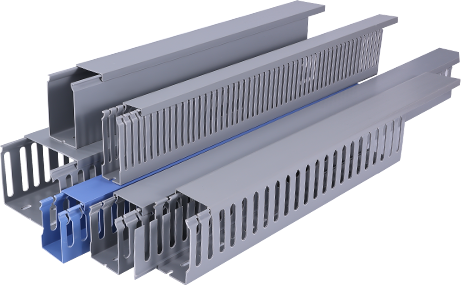

In the rapidly evolving landscape of renewable energy, every component plays a crucial role in ensuring efficiency, safety, and longevity. Among these components, wiring duct for renewable energy applications has emerged as an essential element that often goes unnoticed but is vital for the seamless operation of solar, wind, and other green energy systems. This article explores the significance of wiring duct in renewable energy installations, its key features, and how it contributes to the overall performance of these systems.
Wiring duct, also known as cable management duct, is a structured pathway designed to organize, protect, and route electrical cables in various applications. In renewable energy systems, where multiple cables are required to connect panels, inverters, batteries, and other components, proper cable management is not just a matter of aesthetics but a critical factor in system reliability. The harsh environmental conditions often associated with renewable energy installations—such as extreme temperatures, UV radiation, moisture, and mechanical stress—demand robust solutions that can withstand these challenges. Wiring duct for renewable energy applications is specifically engineered to address these issues, providing a durable and efficient way to manage cables.
One of the primary benefits of using wiring duct in renewable energy systems is enhanced safety. Renewable energy installations, especially solar farms and wind turbines, involve high-voltage cables that carry significant electrical currents. Without proper insulation and protection, these cables can pose fire hazards, short circuits, or electrical shocks. Wiring duct acts as a barrier, shielding cables from physical damage, moisture, and dust, thereby reducing the risk of electrical faults. Additionally, it helps in organizing cables in a neat and orderly manner, making it easier for technicians to identify and access specific wires during maintenance or repairs, which minimizes downtime and improves safety during servicing.
Another key advantage is improved system efficiency. In solar photovoltaic (PV) systems, for example, the performance of panels depends on the efficient transfer of electricity from the panels to the inverter. Disorganized or damaged cables can lead to power losses due to increased resistance or voltage drops. Wiring duct ensures that cables are routed in the shortest possible path with minimal bends, which reduces signal attenuation and power loss. Moreover, by separating different types of cables (such as DC and AC lines), it prevents electromagnetic interference (EMI) that can disrupt the operation of sensitive electronic components like inverters and monitoring systems. This optimization of cable routing directly translates to higher energy output and better overall system efficiency.
Durability is a critical factor in renewable energy applications, where systems are expected to operate for decades. Wiring duct for renewable energy is typically made from high-quality materials such as PVC, polycarbonate, or aluminum, which are chosen for their resistance to environmental factors. PVC duct, for instance, offers excellent UV resistance and is suitable for outdoor installations, while aluminum duct provides superior mechanical strength and heat dissipation, making it ideal for high-temperature environments. These materials are also corrosion-resistant, ensuring that the duct remains intact even in coastal areas or regions with high humidity. By protecting cables from wear and tear, wiring duct extends the lifespan of the entire system, reducing maintenance costs and increasing the return on investment.
In addition to safety and efficiency, wiring duct contributes to the scalability of renewable energy systems. As the demand for green energy grows, many installations are expanded or upgraded to accommodate more panels or turbines. Wiring duct allows for easy modification and expansion by providing a flexible framework that can be adjusted to fit new cables. This modular design eliminates the need for extensive rewiring, saving time and resources during system upgrades. Furthermore, it simplifies the documentation and labeling of cables, which is essential for compliance with industry standards and regulations. Properly labeled and organized cables make it easier to trace connections, troubleshoot issues, and ensure that the system meets safety codes and certifications.
The application of wiring duct varies across different renewable energy technologies. In solar PV systems, it is used to route DC cables from the panels to the combiner box and then to the inverter. The duct is often installed on the back of solar panels or along the mounting structures, providing a clean and protected pathway. In wind turbines, wiring duct is employed to manage the complex network of cables that connect the generator, control systems, and sensors, both inside the nacelle and along the tower. For battery energy storage systems (BESS), it organizes the high-current cables between batteries, inverters, and chargers, ensuring safe and efficient energy transfer. Regardless of the application, the goal remains the same: to create a reliable and efficient cable management system that supports the optimal performance of the renewable energy installation.
In conclusion, wiring duct for renewable energy applications is an indispensable component that enhances the safety, efficiency, and durability of green energy systems. Its role in organizing and protecting cables, reducing power losses, and facilitating maintenance cannot be overstated. As the renewable energy sector continues to grow, the demand for high-quality wiring duct solutions will only increase. Manufacturers are responding by developing innovative products with advanced features such as flame retardancy, self-extinguishing properties, and improved resistance to environmental factors. By investing in proper cable management through wiring duct, renewable energy system operators can ensure that their installations operate at peak performance, contribute to a sustainable future, and deliver long-term value. In the quest for a greener planet, every detail matters, and wiring duct is a small but significant step towards achieving that goal.