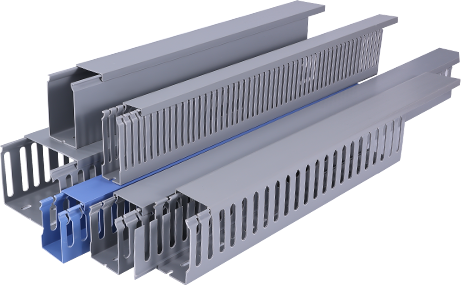

In the rapidly evolving landscape of renewable energy, photovoltaic (PV) systems have emerged as a cornerstone of sustainable power generation. As solar installations grow in scale and complexity, the need for reliable electrical infrastructure becomes increasingly critical. One often overlooked but essential component in this infrastructure is the wiring duct for photovoltaic systems—a specialized solution designed to protect, organize, and optimize the electrical connections that bring solar energy from panels to the grid.
The primary function of wiring duct in PV systems is to provide a secure pathway for the complex network of cables that interconnect solar panels, inverters, and other system components. Unlike standard electrical conduits, PV wiring ducts are engineered to withstand the unique environmental challenges of solar installations. These ducts must endure extreme temperature fluctuations, exposure to UV radiation, and varying weather conditions, from scorching desert heat to freezing winter climates. High-quality PV wiring ducts are typically constructed from durable materials like UV-stabilized PVC or flame-retardant polymers, ensuring long-term performance even in harsh outdoor environments.
Beyond environmental protection, wiring ducts play a crucial role in organizing the intricate web of cables within a solar array. A typical PV system can have dozens, if not hundreds, of cables connecting individual panels, combiner boxes, and inverters. Without proper organization, these cables can become tangled, damaged, or difficult to maintain. Wiring ducts provide a structured framework for routing cables, allowing for neat, organized installations that simplify maintenance, troubleshooting, and future expansions. This organization is particularly important in large-scale solar farms, where efficient cable management can significantly reduce installation time and operational costs.
Electrical safety is another key consideration in PV system design, and wiring ducts contribute significantly to this aspect. Solar panels generate direct current (DC) electricity, which can pose unique safety risks if not properly contained. Wiring ducts act as a physical barrier, preventing accidental contact with live wires and reducing the risk of electrical fires. Additionally, these ducts help manage cable temperatures by providing adequate ventilation, which is critical for maintaining optimal performance of PV system components. Overheating cables can lead to power loss, equipment damage, and even system failure—issues that wiring ducts help mitigate through proper heat dissipation.
The design and installation of wiring ducts for photovoltaic systems require careful planning to accommodate the specific needs of each installation. Factors such as cable size, voltage requirements, and system layout must be considered when selecting the appropriate duct type and size. For example, larger solar arrays may require wider ducts to accommodate multiple cables, while systems in high-wind areas may need reinforced mounting solutions. Proper installation techniques, including secure fastening and correct bending radius, are also essential to ensure the duct's integrity and functionality.
In recent years, advancements in wiring duct technology have further enhanced their performance in PV systems. Innovations such as modular duct systems allow for flexible configurations, making them suitable for both small residential installations and large commercial solar farms. Some modern ducts also feature integrated labeling systems, which simplify cable identification and maintenance. These advancements not only improve system reliability but also contribute to the overall efficiency of solar energy production by minimizing downtime and maximizing power output.
As the global demand for solar energy continues to rise, the importance of robust electrical infrastructure cannot be overstated. Wiring ducts for photovoltaic systems are more than just a protective casing—they are a critical component that ensures the safety, reliability, and efficiency of solar installations. By investing in high-quality wiring duct solutions, solar system designers and installers can create more durable, cost-effective, and sustainable energy systems that will continue to deliver clean power for decades to come.
In conclusion, the role of wiring duct in photovoltaic systems extends far beyond simple cable management. These specialized components are essential for protecting electrical connections, ensuring safety, and optimizing system performance. As the solar industry continues to grow, the development and adoption of advanced wiring duct solutions will play a vital role in shaping the future of renewable energy infrastructure. By recognizing the importance of this often-overlooked component, we can build more resilient and efficient solar energy systems that contribute to a greener, more sustainable world.