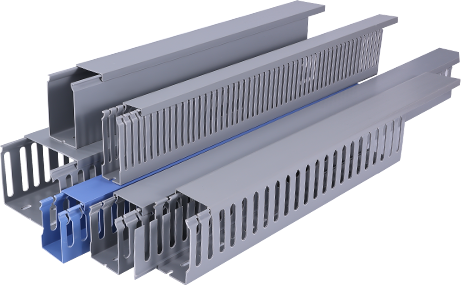

In the intricate world of industrial automation, control cabinets serve as the central nervous system of countless operations. These cabinets house a complex network of electrical components, sensors, and communication devices that keep factories, power plants, and manufacturing facilities running smoothly. A critical yet often overlooked component within these cabinets is the wiring duct, also known as wire management duct or cable duct. This simple but essential element plays a vital role in organizing, protecting, and maintaining the integrity of electrical wiring systems.
Wiring duct for industrial control cabinets is a specialized channel designed to route, organize, and protect electrical wires and cables within control panels. These ducts are typically made from durable materials such as PVC, ABS, or metal, each offering unique advantages depending on the application requirements. PVC ducts are lightweight, cost-effective, and resistant to corrosion, making them suitable for general-purpose applications. Metal ducts, on the other hand, provide superior durability and electromagnetic shielding, ideal for high-temperature or high-vibration environments.
The primary purpose of wiring duct is to ensure a systematic arrangement of wires, which simplifies installation, maintenance, and troubleshooting processes. Without proper wire management, control cabinets can quickly become a tangled mess of cables, increasing the risk of short circuits, signal interference, and equipment failure. By neatly organizing wires into separate channels, wiring duct minimizes these risks while also improving airflow within the cabinet, which is crucial for heat dissipation and component longevity.
When selecting wiring duct for industrial control cabinets, several factors must be considered. The size and capacity of the duct should match the number and diameter of the wires it will contain. Oversized ducts may waste valuable cabinet space, while undersized ones can lead to overcrowding and potential damage to wires. Additionally, the duct's design features, such as snap-on covers, removable dividers, and mounting options, should align with the specific needs of the application.
Installation of wiring duct requires careful planning and execution. The first step involves mapping out the cabinet layout and determining the optimal routes for different wire types. Power cables, control wires, and communication cables should be separated to minimize electromagnetic interference. Once the layout is established, the duct is mounted using screws, adhesive, or snap-in brackets, depending on the cabinet material and design. Wires are then routed through the duct, with dividers used to separate different wire types and color-coding applied for easy identification.
Maintenance of wiring duct systems is equally important to ensure long-term performance. Regular inspections should be conducted to check for signs of wear, damage, or overcrowding. Dust and debris accumulation within the duct can impede airflow and potentially cause overheating, so periodic cleaning is recommended. When modifications or upgrades are needed, the modular design of most wiring ducts allows for easy expansion or reconfiguration without disrupting the entire system.
In recent years, advancements in wiring duct technology have introduced innovative features to meet the evolving needs of industrial applications. Some modern ducts incorporate flame-retardant materials to enhance safety in high-risk environments, while others feature transparent covers for easy visual inspection of wires without disassembly. Additionally, modular duct systems allow for customizable configurations, enabling engineers to adapt the wire management solution to the unique requirements of each control cabinet.
The importance of proper wire management extends beyond mere organization. In industries where downtime can result in significant financial losses, a well-designed wiring duct system can reduce maintenance time, minimize the risk of equipment failure, and extend the lifespan of critical components. By investing in high-quality wiring duct and implementing best practices for installation and maintenance, industrial facilities can enhance operational efficiency, improve safety, and ensure the reliable performance of their control systems.
In conclusion, wiring duct for industrial control cabinets is far more than a simple wire organizer. It is a fundamental component that contributes to the overall reliability, safety, and efficiency of industrial automation systems. As technology continues to advance and control cabinets become increasingly complex, the role of wiring duct will only grow in importance. By understanding the different types, installation methods, and maintenance requirements of wiring duct, engineers and technicians can design and maintain control cabinets that meet the demands of modern industrial operations. Whether in a small manufacturing plant or a large-scale power generation facility, the right wiring duct solution can make all the difference in ensuring smooth and uninterrupted operation.