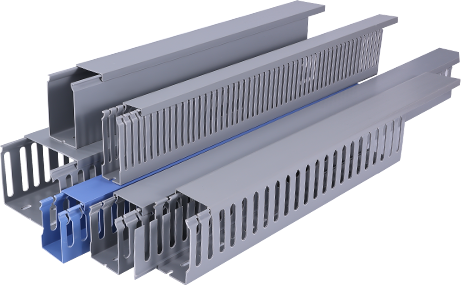

Wiring duct, also known as cable duct or wire management duct, is a critical component in modern electrical infrastructure. This specialized channel system provides organized pathways for electrical cables and wires, ensuring safety, efficiency, and accessibility in both residential and commercial settings.
The primary function of wiring duct is to protect electrical conductors from physical damage while providing a neat, organized system that simplifies maintenance and future modifications. Unlike traditional open wiring methods, wiring duct creates a contained environment that shields cables from dust, moisture, and accidental contact, significantly reducing fire risks and electrical hazards.
There are several types of wiring duct available to suit different applications. Slotted wiring duct, with its characteristic perforations, allows for easy cable insertion and removal. Solid wall duct provides maximum protection in high-traffic areas or industrial environments. For outdoor applications, weather-resistant PVC or metal duct systems are essential to withstand environmental elements.
Proper installation of wiring duct requires careful planning and adherence to electrical codes. The process begins with mapping out the electrical layout to determine the optimal routing of cables. Duct systems should be installed in accessible locations to facilitate future inspections and modifications. It's crucial to maintain proper spacing between ducts and other building elements to ensure adequate ventilation and prevent overheating.
In commercial buildings, wiring duct plays a vital role in managing complex electrical systems that power lighting, HVAC, security, and communication networks. Data centers, in particular, rely heavily on structured wiring duct systems to organize the massive number of cables required for server operations. These systems often feature color-coded duct sections to differentiate between power, data, and communication lines, simplifying identification and troubleshooting.
Residential applications benefit from wiring duct as well. Homeowners and electricians use these systems to organize home theater setups, smart home technology, and general household wiring. The modular nature of modern wiring duct allows for easy expansion as technology needs evolve, making it a cost-effective long-term solution.
When selecting wiring duct for a project, several factors should be considered. Material choice depends on the environment—PVC duct is lightweight and corrosion-resistant, while metal duct offers superior fire resistance and durability. Size selection requires calculating the total cross-sectional area of all cables to ensure proper fit without overcrowding. Environmental considerations, such as temperature extremes or chemical exposure, may necessitate specialized materials or coatings.
The future of wiring duct technology is moving toward smarter, more integrated solutions. Some manufacturers now produce duct systems with built-in monitoring capabilities that detect temperature changes or cable integrity issues, providing early warnings of potential problems. Additionally, sustainable materials and production methods are becoming more prevalent as the industry responds to environmental concerns.
In conclusion, wiring duct is an indispensable element of modern electrical infrastructure. Its ability to organize, protect, and manage electrical cables ensures the safety, efficiency, and reliability of electrical systems across all sectors. As technology continues to advance, the role of wiring duct will only grow in importance, adapting to meet the evolving needs of electrical infrastructure worldwide.