
Automotive electrical systems have evolved dramatically over the past few decades, transforming from simple, mechanical operations to complex networks of interconnected components. As vehicles become increasingly reliant on electronic systems for everything from engine management to infotainment, the need for organized, protected wiring has never been greater. Wiring duct, also known as wire raceway or cable management duct, plays a critical role in maintaining the integrity and reliability of these intricate systems.
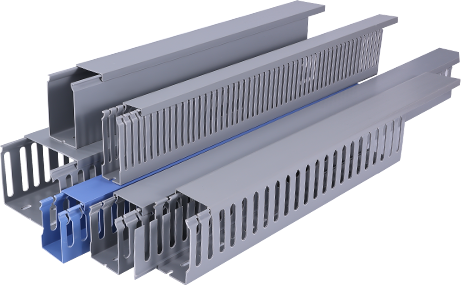
Wiring duct is a specialized component designed to route, organize and protect electrical wires and cables within automotive environments. These ducts typically feature a rigid structure with slots or openings that allow for easy insertion and removal of wires while providing physical protection from environmental hazards. Constructed from durable materials like flame-retardant plastic, metal or rubber, they are engineered to withstand the harsh conditions of automotive operation including temperature fluctuations, vibration and exposure to oils and chemicals.
In modern vehicles, the electrical system serves as the nervous system, connecting various components such as sensors, actuators, control modules and power sources. Without proper organization, these wires can become tangled, damaged or disconnected, leading to system failures and potentially dangerous situations. Wiring duct addresses this challenge by providing a structured pathway for wires, preventing them from interfering with moving parts or being exposed to damage from sharp edges or heat sources.
The design of wiring duct for automotive applications involves careful consideration of several key factors. First and foremost is material selection. Automotive environments require materials that can withstand extreme temperatures, from sub-zero winter conditions to the intense heat generated by engine compartments. Flame-retardant properties are also essential to minimize fire risks in case of electrical faults. Additionally, the duct must have sufficient flexibility to accommodate the complex routing paths within vehicles while maintaining structural integrity.
Another critical aspect is the sizing and configuration of the duct. Automotive electrical systems vary significantly between different vehicle types and models, requiring customized solutions. Manufacturers must consider the number and size of wires that need to be contained, as well as the available space within the vehicle. Some ducts feature modular designs that allow for expansion or modification as electrical systems evolve, providing a scalable solution for future upgrades.
Installation of wiring duct in automotive systems follows precise engineering principles. Ducts are strategically placed to optimize wire routing while minimizing interference with other components. They are typically secured using clips, brackets or adhesive, ensuring they remain in place even under extreme vibration conditions. The slots or openings in the duct allow for easy access during installation and maintenance, enabling technicians to add or remove wires without disrupting the entire system.
The functionality of wiring duct extends beyond simple organization. These components also play a crucial role in reducing electromagnetic interference (EMI) between different electrical systems. By separating sensitive signal wires from power cables, ducts help maintain signal integrity and prevent cross-talk that could lead to system malfunctions. This is particularly important in advanced driver-assistance systems (ADAS) where precise signal transmission is critical for safety.
In high-performance and luxury vehicles, wiring duct also contributes to overall system efficiency. Properly organized wires experience less resistance and signal loss, improving the performance of electronic components. This is especially noticeable in audio systems where signal clarity is paramount, and in engine management systems where precise timing and data transmission are essential for optimal performance.
Maintenance and troubleshooting are significantly simplified with the implementation of wiring duct. In traditional wiring systems, identifying and accessing specific wires can be time-consuming and frustrating. With organized ducting, technicians can quickly locate the exact wire needed for repair or replacement, reducing downtime and maintenance costs. This is particularly valuable in fleet management and commercial vehicle operations where time is a critical factor.
The future of wiring duct in automotive electrical systems looks promising as vehicles continue to advance. With the rise of electric and hybrid vehicles, the complexity of electrical systems will only increase, creating greater demand for sophisticated wiring management solutions. Manufacturers are already developing innovative duct designs that integrate with smart systems, allowing for real-time monitoring of wire conditions and early detection of potential issues.
In conclusion, wiring duct is an indispensable component of modern automotive electrical systems, providing organization, protection and reliability in increasingly complex environments. As vehicles continue to evolve with more advanced electronic features, the importance of proper wire management will only grow. Automotive engineers and manufacturers must continue to prioritize the design and implementation of effective wiring duct solutions to ensure the safety, performance and longevity of tomorrow's vehicles. Understanding the critical role of wiring duct helps appreciate the intricate balance between innovation and reliability in automotive design, highlighting how even seemingly minor components contribute to the overall functionality and safety of modern vehicles.