
In the realm of electrical engineering, power distribution panels serve as the central hub for managing and distributing electrical power throughout a facility. These panels house critical components such as circuit breakers, switches, and protective devices, ensuring the safe and efficient flow of electricity. However, one often overlooked yet essential element in these panels is the wiring duct, a component that plays a pivotal role in organizing, protecting, and managing electrical wiring. This article explores the significance of wiring duct for power distribution panels, its various types, benefits, and best practices for implementation.
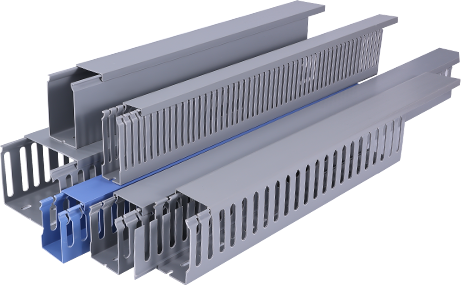
Wiring duct, also known as cable duct or wire trough, is a structured channel designed to route, organize, and protect electrical wires and cables within power distribution panels. It provides a systematic way to manage the complex network of wires, preventing tangling, reducing the risk of short circuits, and facilitating easy maintenance. Without proper wiring duct, the internal wiring of a power distribution panel can become a chaotic jumble, making troubleshooting and repairs time-consuming and hazardous.
There are several types of wiring duct available, each designed to meet specific requirements. PVC wiring duct is a popular choice due to its affordability, corrosion resistance, and ease of installation. It is lightweight and comes in various sizes and colors, allowing for easy identification of different wire types. Metal wiring duct, typically made of steel or aluminum, offers superior durability and fire resistance, making it suitable for high-temperature environments or applications where mechanical protection is crucial. Additionally, there are specialized duct systems with features like snap-on lids, dividers, and mounting brackets, which enhance organization and accessibility.
The benefits of using wiring duct in power distribution panels are manifold. First and foremost, it improves safety by reducing the risk of electrical hazards. By containing wires within a protective channel, wiring duct minimizes the chance of accidental contact with live wires, which is especially important during maintenance or repairs. It also helps in managing heat dissipation, as proper wire spacing within the duct prevents overheating, which can lead to equipment failure or fire. Furthermore, wiring duct simplifies the process of tracing and identifying wires, making it easier to diagnose and resolve electrical issues quickly.
Another key advantage is the enhancement of system efficiency. A well-organized wiring system reduces signal interference and ensures optimal electrical performance. It also allows for easier expansion or modification of the electrical system, as new wires can be added to the duct without disrupting existing connections. This flexibility is particularly valuable in industrial settings where electrical requirements may change over time.
When implementing wiring duct in power distribution panels, several best practices should be followed. First, it is essential to select the appropriate type and size of duct based on the number and size of wires, as well as the environmental conditions. Overloading the duct can lead to overheating and increased fire risk, so proper sizing is critical. Second, the duct should be installed in a way that allows for easy access to wires, with sufficient space for maintenance and future modifications. Using dividers or color-coded sections can help in organizing different types of wires, such as power, control, and signal cables, reducing confusion and improving efficiency.
Additionally, it is important to ensure that the wiring duct is properly secured to the panel to prevent movement or dislodgment. This can be achieved using mounting brackets or adhesive, depending on the type of duct and panel material. Regular inspection and maintenance of the duct system are also necessary to check for signs of wear, damage, or overheating, and to ensure that the wires remain properly organized.
In conclusion, wiring duct is an indispensable component of power distribution panels, contributing to the safety, efficiency, and reliability of electrical systems. By providing a structured and protective environment for electrical wiring, it minimizes hazards, simplifies maintenance, and enhances system performance. Whether in industrial, commercial, or residential applications, investing in high-quality wiring duct and following best practices for installation and maintenance can significantly improve the overall functionality and longevity of power distribution panels. As electrical systems continue to evolve, the role of wiring duct will remain crucial in ensuring the safe and efficient distribution of power.