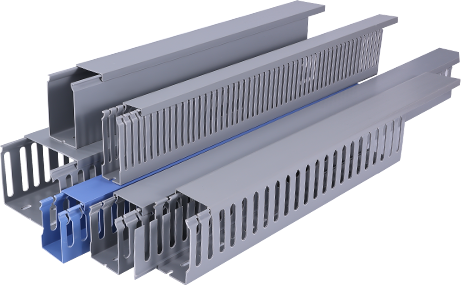

The rapid growth of renewable energy has made photovoltaic (PV) systems a cornerstone of sustainable power generation. As solar installations become more prevalent, the importance of proper wiring management cannot be overstated. Wiring duct for photovoltaic systems plays a crucial role in organizing, protecting, and optimizing the electrical connections within solar arrays. This comprehensive guide explores the key aspects of PV wiring duct, including its purpose, types, installation best practices, and benefits for solar energy systems.
Wiring duct, also known as cable management duct or wire raceway, is a channel designed to route and protect electrical cables in various applications. In photovoltaic systems, it serves as a critical component that ensures the safe and efficient operation of solar panels, inverters, and other electrical components. The primary functions of wiring duct in PV systems include organizing cables to prevent tangling, protecting wires from environmental factors such as UV radiation, moisture, and physical damage, and facilitating easy maintenance and troubleshooting.
There are several types of wiring duct suitable for photovoltaic systems, each designed to meet specific installation requirements. The most common types include rigid PVC duct, flexible plastic duct, and metal duct. Rigid PVC duct is widely used due to its durability, resistance to UV rays, and cost-effectiveness. It provides excellent protection against external elements and is ideal for outdoor installations. Flexible plastic duct, on the other hand, offers greater flexibility, making it suitable for installations with complex routing needs or where space is limited. Metal duct, typically made of aluminum or steel, provides enhanced durability and fire resistance, making it a preferred choice for commercial and industrial PV systems where safety is a top priority.
Proper installation of wiring duct is essential to ensure the long-term performance and safety of photovoltaic systems. The first step in installation is to plan the cable routing path, considering factors such as the location of solar panels, inverters, and other components. It is important to avoid sharp bends and excessive cable lengths, as these can increase resistance and reduce system efficiency. The duct should be securely mounted using appropriate fasteners, ensuring it is level and properly aligned. Additionally, all connections between duct sections should be sealed to prevent water ingress, which can cause corrosion and electrical issues.
Another key consideration is the selection of the right size of wiring duct. The duct must be large enough to accommodate all the cables without overcrowding, which can lead to overheating and increased fire risk. It is recommended to consult the manufacturer's guidelines and local electrical codes to determine the appropriate duct size based on the number and type of cables being routed. Furthermore, the duct should be labeled clearly to identify the purpose of each cable, making it easier for maintenance personnel to identify and address issues quickly.
The benefits of using wiring duct in photovoltaic systems are numerous. First and foremost, it enhances safety by reducing the risk of electrical fires, short circuits, and other hazards associated with exposed or poorly managed cables. Proper cable management also improves system efficiency by minimizing voltage drop and ensuring optimal power transmission. Additionally, wiring duct simplifies maintenance and troubleshooting, as it allows for easy access to cables and components. This can significantly reduce downtime and repair costs, ensuring the system operates at peak performance for years to come.
In conclusion, wiring duct for photovoltaic systems is an essential component that contributes to the safety, efficiency, and reliability of solar installations. By choosing the right type of duct, following proper installation practices, and adhering to industry standards, solar system owners can ensure their investment delivers maximum returns while minimizing risks. As the demand for renewable energy continues to grow, the role of wiring duct in PV systems will only become more critical, making it a key consideration for anyone involved in the design, installation, or maintenance of solar energy systems.