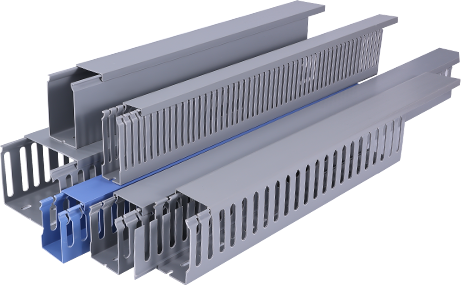

In the realm of industrial automation, the efficient organization of electrical components is not just a matter of aesthetics—it is a critical factor in ensuring operational reliability, safety, and maintainability. One often-overlooked yet essential component in this context is the wiring duct for industrial control cabinets. These specialized channels play a pivotal role in managing the complex network of cables that power and control industrial equipment, from manufacturing robots to process control systems.
Wiring ducts, also known as cable ducts or raceways, are designed to house and protect electrical wires, cables, and conduits within control cabinets. They come in various materials, including PVC, metal, and fiberglass, each offering distinct advantages depending on the application. PVC ducts, for instance, are lightweight, cost-effective, and resistant to corrosion, making them ideal for general-purpose use. Metal ducts, on the other hand, provide superior electromagnetic shielding and mechanical strength, suitable for environments with high electromagnetic interference or heavy mechanical stress.
The primary function of wiring ducts is to organize cables in a structured manner, preventing tangling and minimizing the risk of accidental damage. In industrial control cabinets, where numerous cables for power, signal, and data transmission converge, a well-designed duct system ensures that each cable is routed efficiently, reducing the likelihood of short circuits or signal interference. This organization also simplifies maintenance and troubleshooting, as technicians can quickly identify and access specific cables without disrupting the entire system.
Another key benefit of wiring ducts is their role in enhancing safety. By enclosing cables, they protect workers from potential electrical hazards, such as exposed live wires. Additionally, ducts with fire-resistant properties can help contain fires, preventing them from spreading through the cabinet and to other parts of the facility. This is particularly crucial in industries where fire safety is a top priority, such as oil and gas, chemical processing, and power generation.
When selecting wiring ducts for industrial control cabinets, several factors must be considered. The size and capacity of the duct should match the number and type of cables to be housed. For example, a cabinet with high-density wiring may require larger ducts or multiple parallel ducts to accommodate all cables. The material choice depends on the environmental conditions, such as temperature, humidity, and exposure to chemicals. Furthermore, the duct's design, including features like snap-on covers, adjustable dividers, and cable entry/exit points, can significantly impact ease of installation and maintenance.
Installation of wiring ducts requires careful planning. The layout should be designed to minimize cable length and avoid sharp bends, which can cause signal degradation or cable damage. Technicians must also ensure that ducts are securely mounted to the cabinet frame, using appropriate fasteners to prevent movement or vibration. Proper labeling of ducts and cables is essential for future maintenance, allowing quick identification of each cable's purpose and destination.
In recent years, advancements in wiring duct technology have introduced innovative features to meet the evolving needs of industrial automation. For example, modular duct systems allow for easy expansion or reconfiguration as the control system evolves. Some ducts are designed with integrated cable management accessories, such as cable ties, clips, and strain reliefs, to further enhance organization and protection. Additionally, smart ducts with built-in sensors can monitor temperature, humidity, or cable health, providing real-time data for predictive maintenance.
The impact of well-designed wiring ducts extends beyond individual control cabinets. In large industrial facilities, a standardized duct system can improve overall system reliability by reducing downtime due to cable-related issues. It also contributes to compliance with industry standards and regulations, such as those set by the National Electrical Code (NEC) or the International Electrotechnical Commission (IEC), which mandate proper cable management for safety and performance.
In conclusion, wiring ducts for industrial control cabinets are an indispensable component of modern industrial automation systems. Their role in organizing, protecting, and managing cables ensures the efficient and safe operation of control systems, while also simplifying maintenance and troubleshooting. By carefully selecting and installing the right duct system, industrial facilities can enhance reliability, reduce downtime, and ensure compliance with safety standards. As technology continues to advance, the importance of these unsung heroes of industrial control will only grow, supporting the next generation of smart and connected manufacturing environments.