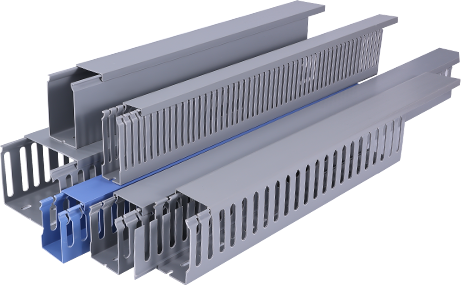

In modern electrical systems, organization and safety are paramount. Wiring duct, also known as cable management duct or wire raceway, plays a crucial role in creating efficient, safe, and aesthetically pleasing electrical infrastructure. This comprehensive guide explores the importance of wiring duct, its various types, installation best practices, and the benefits it brings to residential, commercial, and industrial electrical systems.
Wiring duct is a specialized channel designed to route, protect, and organize electrical cables and wires. It provides a structured pathway for cables, preventing tangling, damage, and potential hazards. In commercial and industrial settings, where numerous cables are often required for power distribution, data transmission, and control systems, wiring duct becomes an essential component. It not only ensures a neat and professional appearance but also simplifies maintenance and troubleshooting processes.
There are several types of wiring duct available, each designed for specific applications. PVC wiring duct is a popular choice due to its affordability, durability, and resistance to corrosion. It is commonly used in dry indoor environments. For outdoor or harsh environments, metal wiring duct, such as aluminum or steel, offers superior protection against physical damage and environmental factors. Additionally, there are specialized duct types, including slotted duct for easy cable access, flexible duct for curved pathways, and fire-resistant duct for high-risk areas. The selection of the appropriate duct type depends on factors such as the environment, cable count, and specific project requirements.
Proper installation of wiring duct is critical to its performance and longevity. The process begins with careful planning and design. Engineers and electricians must assess the system's needs, including the number and type of cables, their voltage requirements, and the layout of the space. This planning phase ensures that the duct system can accommodate current and future cable needs, avoiding costly modifications later. During installation, it is essential to follow manufacturer guidelines and local electrical codes. The duct should be securely mounted to walls, ceilings, or floors, ensuring stability and preventing sagging. Cables should be properly routed within the duct, with appropriate spacing to prevent overheating and interference. Labeling each duct section and cable can significantly simplify maintenance and troubleshooting.
The benefits of using wiring duct in electrical infrastructure are numerous. First and foremost, it enhances safety by reducing the risk of electrical fires, shocks, and short circuits. By containing cables in a protective channel, wiring duct minimizes exposure to physical damage, moisture, and dust. This protection is especially crucial in industrial settings where heavy machinery and harsh conditions can pose significant risks. Additionally, wiring duct improves the overall efficiency of the electrical system. Organized cables allow for easier access during maintenance, reducing downtime and labor costs. It also simplifies future expansions or modifications, as new cables can be added to the duct system without disrupting existing installations.
Aesthetically, wiring duct contributes to a clean and professional appearance. In commercial spaces, exposed cables can be unsightly and give an unprofessional impression. Wiring duct hides cables, creating a neat and organized look that enhances the overall design of the space. This is particularly important in retail stores, offices, and public buildings where visual appeal is a priority.
In conclusion, wiring duct is an essential component of modern electrical infrastructure. Its role in organizing, protecting, and enhancing the safety of electrical systems cannot be overstated. By choosing the right type of duct, following proper installation practices, and leveraging its benefits, engineers and electricians can create efficient, safe, and aesthetically pleasing electrical systems that meet the needs of today's demanding environments. Whether for residential, commercial, or industrial applications, wiring duct is a wise investment that pays dividends in terms of safety, efficiency, and long-term reliability.