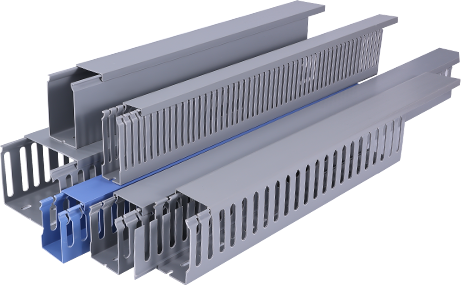

In the complex world of automotive engineering, the electrical system serves as the nervous system of a vehicle, connecting various components and ensuring their seamless operation. One crucial yet often overlooked element in this intricate network is the wiring duct, a specialized component designed to organize, protect, and route electrical wires within a vehicle. This article explores the significance of wiring duct for automotive electrical systems, its design considerations, installation best practices, and the numerous benefits it offers to modern vehicles.
Wiring duct, also known as wire loom or cable management system, is a protective channel that houses electrical wires, preventing them from damage, abrasion, and interference. In automotive applications, where space is limited and environmental conditions are harsh, the wiring duct plays a vital role in maintaining the integrity of the electrical system. It not only organizes wires into a structured layout but also shields them from heat, moisture, vibration, and mechanical stress, which are common in the underhood and interior environments of vehicles.
The design of wiring duct for automotive use requires careful consideration of several factors. First, the material selection is critical. Common materials include plastic, rubber, and metal, each offering distinct advantages. Plastic ducts, such as those made from polyvinyl chloride (PVC) or polyethylene, are lightweight, cost-effective, and resistant to corrosion, making them suitable for interior and underhood applications. Rubber ducts, on the other hand, provide excellent flexibility and vibration dampening, ideal for areas with constant movement. Metal ducts, typically aluminum or steel, offer superior heat resistance and durability, often used in high-temperature zones like near the engine or exhaust system.
Another key design aspect is the duct's cross-sectional shape and size. The duct must accommodate the number and diameter of wires it will house, while also fitting within the available space in the vehicle. Rectangular, circular, and oval shapes are common, with each shape offering different space-saving and wire-routing benefits. Additionally, the duct may feature dividers or compartments to separate different wire types, such as power and signal wires, reducing electromagnetic interference (EMI) and ensuring signal integrity.
Installation of wiring duct in automotive electrical systems requires precision and adherence to industry standards. The process typically begins with planning the wire routing path, considering factors like accessibility, heat sources, and mechanical stress points. The duct is then cut to the required length and secured using clips, brackets, or adhesive. It is essential to ensure that the duct is properly sealed at joints and ends to prevent the ingress of dust, moisture, and debris. Moreover, the wires inside the duct should be arranged neatly, with adequate slack to accommodate movement and thermal expansion, avoiding tight bends that could damage the insulation.
The benefits of using wiring duct in automotive electrical systems are manifold. First and foremost, it enhances the reliability and longevity of the electrical system by protecting wires from physical damage and environmental factors. This reduces the risk of short circuits, electrical fires, and system failures, which are critical for vehicle safety. Additionally, organized wiring simplifies maintenance and troubleshooting, as technicians can easily access and identify specific wires without sifting through a tangled mess. This not only saves time but also reduces the likelihood of human error during repairs.
Furthermore, wiring duct contributes to the overall efficiency of the vehicle. By minimizing EMI, it ensures that sensitive electronic components, such as sensors, control units, and infotainment systems, function correctly without interference. This is particularly important in modern vehicles, which rely heavily on advanced electronics for performance, safety, and comfort features. Additionally, the structured layout of wires reduces the overall weight of the electrical system, contributing to improved fuel efficiency and reduced emissions.
In conclusion, wiring duct for automotive electrical systems is an essential component that plays a critical role in ensuring the reliability, safety, and efficiency of modern vehicles. Its design, material selection, and installation practices are key to maximizing its benefits, from protecting wires to simplifying maintenance. As automotive technology continues to advance, with the integration of electric and hybrid systems, the importance of effective wiring management will only grow. By investing in high-quality wiring duct and adhering to best practices, manufacturers can enhance the performance and durability of their vehicles, providing drivers with a safer and more reliable driving experience.