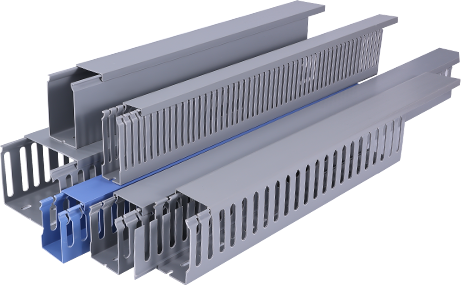

PVC wiring duct has become an essential component in modern electrical installations, offering a versatile and efficient solution for organizing and protecting cables. Whether in residential, commercial, or industrial settings, these plastic channels provide a neat and professional way to route electrical wires, data cables, and communication lines. This comprehensive guide explores the features, applications, and benefits of PVC wiring duct, helping you understand why it has become the go-to choice for cable management.
PVC (Polyvinyl Chloride) wiring duct is a rigid or semi-rigid plastic channel designed to enclose and protect electrical cables. Available in various sizes, shapes, and colors, these ducts are typically made from high-quality PVC material, which offers excellent durability, flame resistance, and electrical insulation properties. The design of PVC wiring duct usually includes a base and a removable cover, allowing easy access for installation, maintenance, and future modifications. This accessibility makes it an ideal choice for both new construction projects and retrofitting existing systems.
One of the key advantages of PVC wiring duct is its versatility. It can be used in a wide range of applications, from simple home wiring to complex industrial setups. In residential environments, PVC duct is often used to organize cables behind walls, under floors, or in ceiling spaces, keeping them hidden and protected from damage. In commercial buildings, it helps manage the extensive network of data and power cables required for offices, retail spaces, and public facilities. Industrial applications benefit from PVC duct's ability to withstand harsh environments, including exposure to chemicals, moisture, and extreme temperatures.
Another significant benefit is the ease of installation. PVC wiring duct is lightweight and can be easily cut to the desired length using standard tools. The interlocking design of many duct systems allows for seamless connections, creating a continuous channel for cables. Additionally, the removable cover simplifies the process of adding or removing cables, reducing downtime during maintenance or upgrades. This user-friendly design makes PVC duct a popular choice for both professional electricians and DIY enthusiasts.
Flame resistance is a critical feature of PVC wiring duct, as it helps prevent the spread of fire in case of electrical faults. Most PVC ducts are manufactured to meet strict fire safety standards, such as UL 94 V-0, which ensures they self-extinguish when the flame source is removed. This property is especially important in commercial and industrial settings where fire safety is a top priority. The non-conductive nature of PVC also provides an extra layer of protection against electrical shocks, making it a safe choice for electrical installations.
PVC wiring duct is also cost-effective compared to other cable management solutions. Its durability and low maintenance requirements mean that it has a long lifespan, reducing the need for frequent replacements. Additionally, the ease of installation helps save time and labor costs, making it an economical option for both small and large-scale projects. The availability of different sizes and configurations allows for customization, ensuring that the duct can be tailored to specific needs without unnecessary expenses.
In terms of aesthetics, PVC wiring duct offers a clean and professional appearance. It can be painted to match the surrounding decor, making it less noticeable in visible areas. The smooth surface of the duct also prevents dust and debris from accumulating, maintaining a tidy look. This is particularly important in commercial spaces where a neat and organized appearance is essential for creating a positive impression on clients and customers.
When selecting PVC wiring duct, it is important to consider factors such as the size of the cables, the environment in which it will be installed, and the specific requirements of the project. For example, larger ducts are suitable for high-density cable installations, while smaller ducts are ideal for residential use. It is also important to choose a duct with the appropriate flame resistance rating and insulation properties to ensure safety and compliance with local building codes.
In conclusion, PVC wiring duct is a versatile, durable, and cost-effective solution for cable management. Its ease of installation, flame resistance, and aesthetic appeal make it an ideal choice for a wide range of applications. Whether you are a professional electrician or a DIY enthusiast, understanding the benefits and features of PVC wiring duct can help you make informed decisions about your cable management needs. By choosing the right PVC duct for your project, you can ensure a safe, organized, and efficient electrical system that meets your requirements for years to come.