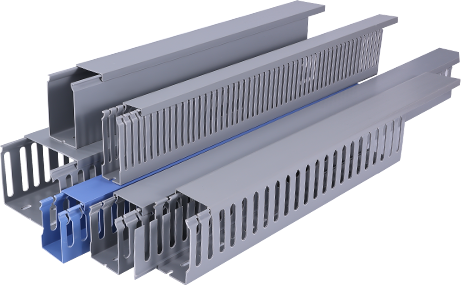

Modular wiring duct has become an essential component in modern electrical installations, offering a versatile and efficient solution for organizing and protecting electrical cables. This innovative system provides a structured approach to cable management, ensuring safety, accessibility, and aesthetic appeal in both residential and commercial settings.
One of the key benefits of modular wiring duct is its flexibility. Unlike traditional rigid conduit systems, modular duct can be easily customized to fit specific installation requirements. The interlocking design allows for quick assembly and disassembly, making it ideal for projects where changes or additions to the electrical system may be necessary in the future. This adaptability reduces installation time and costs, as well as minimizing disruptions during maintenance or upgrades.
Another advantage is the enhanced safety it provides. Modular wiring duct encloses cables within a protective casing, preventing accidental contact and reducing the risk of electrical hazards. The durable materials used in its construction, such as high-quality PVC or metal, offer resistance to fire, chemicals, and physical damage, ensuring long-term reliability. Additionally, the clear or translucent covers available for some models allow for easy visual inspection of the cables without the need for disassembly, simplifying troubleshooting and maintenance.
In terms of organization, modular wiring duct helps keep cables neatly arranged and separated. This not only improves the overall appearance of the electrical system but also facilitates efficient cable management. Different types of cables, such as power, data, and communication lines, can be routed through separate compartments within the duct, reducing interference and signal degradation. This is particularly important in environments where multiple cables are present, such as data centers, offices, and industrial facilities.
The applications of modular wiring duct are diverse. In residential buildings, it can be used to conceal and protect wiring in walls, ceilings, and floors, creating a clean and uncluttered look. In commercial settings, it is commonly employed in offices, retail spaces, and healthcare facilities to manage complex electrical systems. Industrial environments benefit from its durability and resistance to harsh conditions, making it suitable for factories, warehouses, and manufacturing plants.
When selecting a modular wiring duct system, several factors should be considered. The size and capacity of the duct must match the number and type of cables being installed. The material choice depends on the specific environment, with PVC being suitable for general-purpose applications and metal offering higher durability and fire resistance. Additionally, the ease of installation and maintenance should be evaluated to ensure the system meets the project's requirements.
In conclusion, modular wiring duct is a valuable tool in modern electrical design and installation. Its flexibility, safety features, and organizational benefits make it an ideal choice for a wide range of applications. By investing in a high-quality modular wiring duct system, professionals can ensure efficient cable management, reduce installation and maintenance costs, and enhance the overall performance and safety of electrical systems.