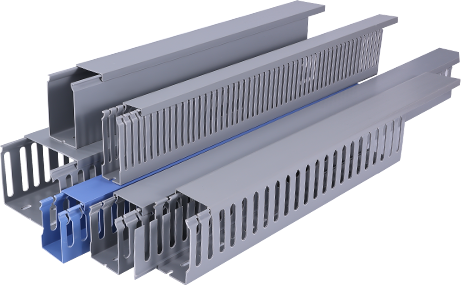

In the complex world of industrial electrical systems, one component quietly plays a crucial role in ensuring safety, organization, and efficiency: the industrial wiring duct. Often overlooked but essential, these specialized channels provide a structured pathway for electrical cables, wires, and communication lines in manufacturing facilities, power plants, data centers, and other industrial environments.
Industrial wiring ducts, also known as wire raceways or cable management systems, are designed to protect and organize electrical conductors while facilitating easy access for maintenance and modifications. Unlike residential wiring, which often uses simple conduits or exposed wiring, industrial settings require more robust solutions that can withstand harsh conditions, heavy loads, and constant use.
One of the primary benefits of industrial wiring ducts is their ability to reduce electrical hazards. By containing wires within a protective enclosure, they minimize the risk of accidental contact, short circuits, and electrical fires. This is particularly important in environments where flammable materials or explosive atmospheres may be present, as proper cable management can prevent sparks from igniting dangerous substances.
Another key advantage is improved organization. In industrial facilities, hundreds or even thousands of cables may be running throughout the space, carrying power, control signals, and data. Without proper management, these cables can become tangled, making it difficult to identify and access specific lines when maintenance or repairs are needed. Wiring ducts provide a structured system that allows technicians to quickly locate and work on individual cables without disrupting the entire network.
Industrial wiring ducts come in a variety of materials, each suited to different environments and applications. Metal ducts, such as steel or aluminum, offer excellent durability and protection against physical damage, making them ideal for heavy-duty industrial settings. Plastic ducts, on the other hand, are lightweight, corrosion-resistant, and often more cost-effective, making them suitable for less demanding environments or indoor applications.
The design of industrial wiring ducts also varies depending on the specific needs of the facility. Some ducts feature slotted openings that allow cables to be easily inserted or removed, while others are completely enclosed for maximum protection. Additionally, many systems include accessories such as junction boxes, elbows, and connectors that allow for flexible routing and customization.
Proper installation of industrial wiring ducts is critical to their effectiveness. This involves careful planning to determine the optimal routing of cables, ensuring that the ducts are properly secured and supported, and following all relevant safety codes and standards. A well-designed and installed system can significantly reduce the time and cost associated with maintenance and upgrades, as well as minimize the risk of downtime due to electrical failures.
In recent years, the demand for industrial wiring ducts has grown as more industries embrace automation and digitalization. With the increasing number of sensors, control systems, and data communication networks in modern industrial facilities, the need for organized and reliable cable management has become more important than ever. Industrial wiring ducts not only support these advanced systems but also provide a foundation for future expansion and upgrades.
In conclusion, industrial wiring duct is an essential component of modern industrial electrical infrastructure. Its role in protecting cables, organizing wiring systems, and ensuring safety cannot be overstated. As industries continue to evolve and become more technologically advanced, the importance of effective cable management will only increase. By investing in high-quality industrial wiring ducts and ensuring their proper installation and maintenance, businesses can create a safer, more efficient, and more reliable electrical system that supports their operations for years to come.