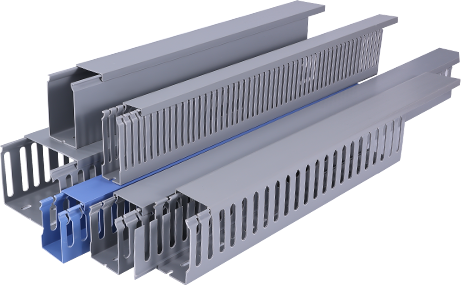

Electrical wiring duct, also known as wireway, cable tray, or raceway, is an essential component in modern electrical systems. It provides a structured and protected pathway for electrical cables, ensuring organized installation, easy maintenance, and enhanced safety. This comprehensive guide explores the design principles, installation techniques, and safety considerations of electrical wiring duct, highlighting its importance in residential, commercial, and industrial applications.
Designing an effective electrical wiring duct system begins with understanding the specific requirements of the project. Factors such as the number and type of cables, environmental conditions, and load capacity must be carefully considered. Different materials, including metal, plastic, and fiberglass, offer distinct advantages. Metal ducts, like steel or aluminum, provide excellent durability and electromagnetic shielding, making them ideal for industrial settings. Plastic ducts, on the other hand, are lightweight, corrosion-resistant, and cost-effective, suitable for residential and commercial applications. Fiberglass ducts excel in high-temperature environments, offering superior thermal insulation.
Installation of electrical wiring duct requires meticulous planning and adherence to industry standards. Proper sizing is crucial to accommodate the number of cables without overcrowding, which can lead to overheating and fire hazards. The duct should be mounted securely using appropriate brackets and supports, ensuring stability and preventing sagging. Cable management within the duct is equally important—cables should be arranged neatly, with adequate spacing to facilitate heat dissipation. Additionally, proper grounding and bonding are essential to protect against electrical faults and ensure compliance with safety regulations.
Safety is a paramount concern when working with electrical wiring duct. Regular inspections and maintenance are necessary to identify potential issues such as loose connections, damaged cables, or blockages. Fire safety measures, including the use of flame-retardant materials and proper ventilation, help mitigate the risk of fire. In industrial environments, where electrical systems are subject to harsh conditions, additional safeguards like surge protection and temperature monitoring are recommended. Training and certification for personnel involved in installation and maintenance are also critical to ensure safe practices.
The evolution of electrical wiring duct technology has led to innovative solutions that enhance performance and efficiency. Modular designs allow for easy expansion and reconfiguration, adapting to changing electrical needs. Smart monitoring systems, integrated with sensors and IoT technology, provide real-time data on cable temperature, load, and potential faults, enabling proactive maintenance. These advancements not only improve safety but also optimize energy efficiency, reducing operational costs over time.
In conclusion, electrical wiring duct plays a vital role in modern electrical systems, ensuring organized installation, efficient maintenance, and enhanced safety. By understanding the design principles, installation techniques, and safety considerations, professionals can create reliable and cost-effective electrical infrastructure. As technology continues to advance, the future of electrical wiring duct will likely see further innovations, making it an even more integral part of our increasingly connected world.