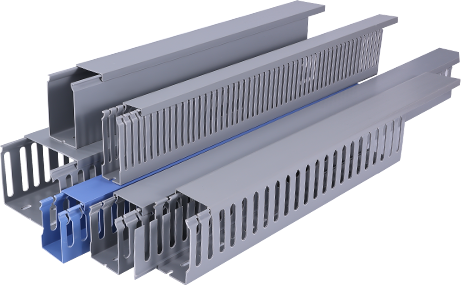

DIN rail wiring duct, also known as cable management duct or wiring channel, is an essential component in modern electrical installations. This specialized solution has revolutionized how professionals organize and protect electrical wiring in various applications, from industrial control panels to residential electrical systems. As electrical systems become increasingly complex with the integration of automation and smart technologies, the need for efficient cable management has never been more critical. DIN rail wiring duct addresses this need by providing a structured, organized approach to cable routing and protection.
The fundamental purpose of DIN rail wiring duct is to create a systematic path for electrical cables, preventing tangling, damage, and interference. This is particularly important in environments where multiple cables must coexist, such as control cabinets, distribution boards, and automation systems. By encapsulating cables within a protective channel, DIN rail wiring duct not only improves the aesthetic appearance of electrical installations but also enhances safety by reducing the risk of electrical shorts, fires, and accidental contact with live wires.
One of the key advantages of DIN rail wiring duct is its compatibility with standard DIN rails, which are widely used in electrical enclosures. This compatibility allows for easy installation and reconfiguration, as the duct can be mounted directly onto the rail using clips or brackets. The modular design of DIN rail wiring duct enables professionals to customize the cable management system according to specific requirements, adding or removing sections as needed. This flexibility is especially valuable in dynamic environments where electrical systems may undergo frequent modifications or upgrades.
Material selection is another critical aspect of DIN rail wiring duct design. High-quality ducts are typically made from flame-retardant materials such as polyvinyl chloride (PVC) or polycarbonate, which offer excellent resistance to heat, chemicals, and mechanical stress. These materials ensure that the duct can withstand harsh operating conditions, including high temperatures, humidity, and exposure to industrial chemicals. Additionally, some DIN rail wiring ducts are designed with self-extinguishing properties, further enhancing safety by preventing the spread of fire in case of electrical faults.
The design of DIN rail wiring duct also incorporates features that facilitate efficient cable management. Many ducts feature a snap-on lid or hinged cover, allowing easy access to cables for maintenance or modifications. Some models include built-in dividers or compartments, enabling the separation of different types of cables, such as power, signal, and data lines. This separation is crucial for minimizing electromagnetic interference (EMI) and ensuring optimal performance of sensitive electronic equipment.
In industrial settings, DIN rail wiring duct plays a vital role in maintaining compliance with electrical safety standards. Organizations such as the National Electrical Code (NEC) and the International Electrotechnical Commission (IEC) have established guidelines for cable management to ensure the safe operation of electrical systems. DIN rail wiring duct helps professionals meet these standards by providing a structured and organized approach to cable routing, reducing the risk of non-compliance and associated penalties.
The benefits of DIN rail wiring duct extend beyond safety and compliance. By organizing cables in a systematic manner, this solution improves the efficiency of maintenance and troubleshooting. When cables are neatly arranged within a duct, technicians can quickly identify and access specific wires, reducing downtime and repair costs. Additionally, the reduced clutter in electrical enclosures makes it easier to inspect and test components, ensuring the long-term reliability of the system.
As technology continues to advance, the demand for more sophisticated cable management solutions is growing. Modern DIN rail wiring duct is evolving to meet these demands, with features such as integrated labeling systems, cable ties, and mounting accessories. These innovations further enhance the functionality and usability of the duct, making it an indispensable tool for electrical professionals.
In conclusion, DIN rail wiring duct is a cornerstone of modern electrical system organization. Its ability to protect, organize, and manage cables efficiently makes it an essential component in a wide range of applications. Whether in industrial control panels, commercial buildings, or residential settings, DIN rail wiring duct provides a reliable and cost-effective solution for cable management. As electrical systems become more complex, the importance of this technology will only continue to grow, ensuring that electrical installations remain safe, efficient, and compliant with industry standards.