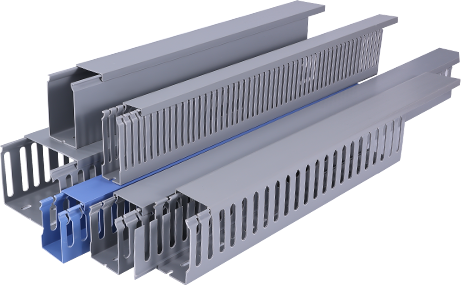

In today's technology-driven world, the efficient management of cables has become increasingly important. Cable management duct, also known as cable raceway or wire duct, offers a practical solution for organizing and protecting cables in both residential and commercial environments. This essential guide explores the benefits, types, installation process, and best practices for cable management duct systems.
Cable management duct serves as a protective channel for electrical, data, and communication cables. It provides a neat and organized way to route cables from one location to another, preventing tangling, damage, and unsightly cable clutter. By enclosing cables within a duct system, you can significantly improve the aesthetics of a space while also ensuring the safety and longevity of your wiring infrastructure.
There are several types of cable management duct available, each designed for specific applications. Surface-mount ducts are ideal for retrofitting existing spaces, as they can be easily installed without extensive modifications. Recessed ducts, on the other hand, are integrated into walls or ceilings for a more seamless look. Flexible ducts offer versatility in routing cables around obstacles, while rigid ducts provide maximum protection for high-traffic areas.
The installation process of cable management duct varies depending on the type and application. For surface-mount systems, the duct is typically attached to walls or ceilings using adhesive or screws. Recessed ducts require more extensive installation, involving cutting into walls or ceilings and securing the duct in place. Regardless of the type, proper planning is essential to ensure the duct system meets the specific needs of the space.
When selecting a cable management duct, consider factors such as the number and type of cables to be routed, the environment in which the duct will be installed, and the desired aesthetic. It's also important to ensure compliance with local building codes and safety regulations. Additionally, choosing a duct system with easy access points for maintenance and future cable additions can save time and effort down the line.
Proper cable management offers numerous benefits beyond just aesthetics. It improves safety by reducing the risk of tripping hazards and electrical fires. It also simplifies maintenance and troubleshooting, as cables are organized and easily accessible. Furthermore, a well-managed cable system can extend the lifespan of cables by protecting them from physical damage and environmental factors.
In conclusion, cable management duct is an essential component of any modern wiring system. Whether you're setting up a home office, a commercial workspace, or an industrial facility, investing in a quality cable management duct system can enhance the functionality, safety, and appearance of your space. By understanding the different types, installation processes, and best practices, you can make informed decisions to create an efficient and organized cable infrastructure that meets your specific needs.