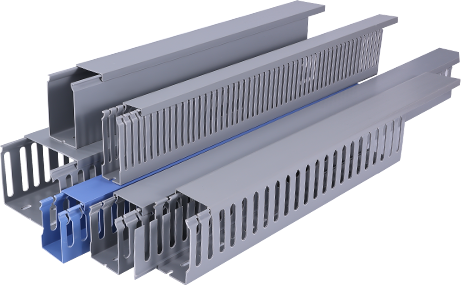

Wiring conduct is a critical aspect of electrical systems that often goes overlooked but plays a vital role in ensuring safety, efficiency, and reliability. In this article, we will explore the significance of proper wiring conduct, its key components, and best practices to follow.
Proper wiring conduct refers to the correct installation, maintenance, and management of electrical wiring in buildings, vehicles, and other structures. It involves following established standards and guidelines to ensure that electrical systems function as intended while minimizing risks such as electrical fires, shocks, and equipment damage.
One of the primary reasons why wiring conduct is so important is safety. Faulty wiring is a leading cause of electrical fires, which can result in property damage, injuries, and even loss of life. By adhering to proper wiring conduct practices, such as using the right gauge of wire, ensuring proper insulation, and avoiding overloading circuits, we can significantly reduce these risks.
Another key aspect of wiring conduct is efficiency. Properly installed wiring allows electricity to flow smoothly and efficiently, reducing energy waste and lowering utility costs. It also ensures that electrical devices and equipment receive the correct voltage and current, which helps to extend their lifespan and improve their performance.
There are several key components of proper wiring conduct. First and foremost is the selection of the right type and size of wire. Different applications require different types of wire, such as copper or aluminum, and different gauges depending on the amount of current that will be flowing through them. Using the wrong type or size of wire can lead to overheating, voltage drops, and other issues.
Proper insulation is also essential. Insulation protects the wire from damage and prevents electrical current from escaping, which can cause shocks or fires. Insulation materials must be appropriate for the environment in which the wire will be installed, such as high-temperature insulation for wires in hot areas or waterproof insulation for outdoor applications.
Another important component is the proper installation of wiring. This includes ensuring that wires are routed correctly, secured properly, and not exposed to damage from physical or environmental factors. It also involves using the right connectors and terminals to ensure a secure and reliable connection.
Maintenance is another critical aspect of wiring conduct. Regular inspections and maintenance can help to identify potential issues before they become serious problems. This includes checking for signs of wear and tear, loose connections, and overheating. It also involves keeping wiring systems clean and free from debris.
In addition to these components, there are several best practices that should be followed when it comes to wiring conduct. These include following local electrical codes and regulations, using qualified and licensed electricians for installation and maintenance, and staying up-to-date with the latest industry standards and technologies.
It is also important to consider the future when planning and installing wiring systems. As technology continues to advance, electrical systems are becoming more complex, and the demand for electricity is increasing. Proper wiring conduct should take into account future needs and allow for expansion and upgrades as necessary.
In conclusion, proper wiring conduct is essential for the safety, efficiency, and reliability of electrical systems. By following the key components and best practices outlined in this article, we can ensure that our electrical systems are installed and maintained correctly, reducing the risk of accidents and improving performance. Whether you are a homeowner, business owner, or electrician, it is important to prioritize proper wiring conduct to ensure the safety and functionality of your electrical systems.