
In the dynamic landscape of renewable energy, wind power has emerged as a cornerstone of sustainable development, harnessing the natural force of wind to generate electricity. As wind energy projects scale up globally, the intricate network of electrical components within wind turbines demands meticulous planning and implementation. Among these components, wiring duct plays a pivotal role in ensuring the reliability, efficiency, and safety of wind turbine operations. This article explores the significance of wiring duct for wind energy projects, its key applications, and the benefits it brings to the renewable energy sector.
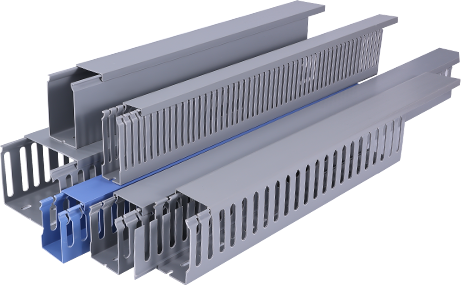
Wiring duct, also known as cable duct or wire management duct, is a structured system designed to organize, protect, and route electrical cables within various industrial settings. In wind energy projects, where turbines are often installed in remote and harsh environments, the need for robust cable management solutions becomes even more critical. Wind turbines operate under extreme conditions, including high winds, temperature fluctuations, humidity, and exposure to dust and debris. Without proper protection, electrical cables can become damaged, leading to system failures, downtime, and potential safety hazards. Wiring duct provides a secure enclosure that shields cables from these external elements, extending their lifespan and reducing maintenance costs.
One of the primary applications of wiring duct in wind energy projects is within the nacelle, the housing unit atop the turbine tower that contains the generator, gearbox, and control systems. The nacelle is a complex environment with a dense network of electrical and communication cables connecting various components. Wiring duct in this area helps organize these cables, preventing tangling and ensuring easy access for maintenance personnel. By segmenting different types of cables—such as power, control, and data cables—wiring duct minimizes electromagnetic interference (EMI), which can disrupt the performance of sensitive electronic equipment. This organization also simplifies troubleshooting, allowing technicians to quickly identify and address issues, thereby reducing downtime and operational costs.
Another critical application is in the turbine tower, where vertical cable runs connect the nacelle to the ground-based control systems. The tower’s height, which can exceed 100 meters in modern turbines, presents unique challenges for cable management. Wiring duct in the tower ensures that cables are properly supported and routed, preventing sagging and reducing the risk of damage from vibration. Additionally, in offshore wind projects, where turbines are exposed to saltwater and corrosive conditions, corrosion-resistant wiring duct materials—such as stainless steel or PVC-coated aluminum—are essential to maintain long-term durability. These materials provide a barrier against saltwater intrusion, protecting cables from corrosion and ensuring reliable power transmission.
Beyond protection and organization, wiring duct also contributes to the overall efficiency of wind energy systems. By reducing cable clutter and optimizing routing, it minimizes signal loss and voltage drops, ensuring that electrical energy is transmitted with minimal waste. This efficiency is particularly important in large-scale wind farms, where even small improvements in energy transmission can translate into significant cost savings over time. Moreover, wiring duct facilitates scalability, allowing for the easy addition of new cables as wind farms expand or upgrade their technology. This adaptability is crucial in an industry that is constantly evolving with advancements in turbine design and energy storage solutions.
Safety is another paramount concern in wind energy projects, and wiring duct plays a vital role in mitigating risks. Properly installed wiring duct prevents cables from becoming exposed, reducing the likelihood of electrical shocks, short circuits, and fires. In emergency situations, such as lightning strikes or equipment malfunctions, wiring duct can contain electrical faults, limiting the spread of damage and protecting personnel. Additionally, in compliance with industry standards and regulations—such as those set by the International Electrotechnical Commission (IEC) and the Occupational Safety and Health Administration (OSHA)—wiring duct ensures that wind energy projects meet safety requirements, avoiding costly fines and reputational damage.
The selection of wiring duct for wind energy projects depends on several factors, including the specific application, environmental conditions, and project budget. Materials such as PVC, aluminum, and stainless steel each offer distinct advantages. PVC duct is lightweight, cost-effective, and resistant to chemicals, making it suitable for indoor applications or mild environments. Aluminum duct, on the other hand, provides better heat dissipation and is ideal for high-temperature areas, such as near generators or gearboxes. Stainless steel duct, with its superior corrosion resistance, is the preferred choice for offshore wind projects and harsh coastal environments. Additionally, modular wiring duct systems allow for customization, enabling engineers to design solutions that fit the unique layout of each turbine and wind farm.
In conclusion, wiring duct is an indispensable component of wind energy projects, ensuring the reliability, efficiency, and safety of turbine operations. Its role in organizing and protecting cables, minimizing EMI, and facilitating maintenance cannot be overstated. As the global demand for renewable energy continues to grow, the importance of robust cable management solutions like wiring duct will only increase. By investing in high-quality wiring duct systems, wind energy developers can enhance the performance of their projects, reduce operational costs, and contribute to a more sustainable future. With ongoing innovations in materials and design, wiring duct is poised to remain a key enabler of the wind energy sector’s continued expansion and success.