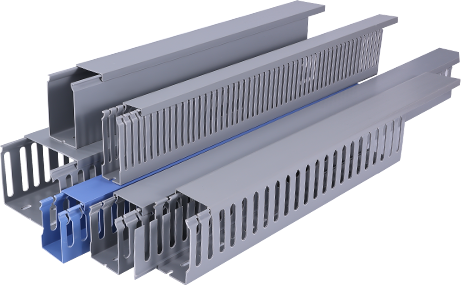

In industrial environments, electrical systems face numerous challenges, with high temperatures being one of the most significant. High temperature resistant wiring duct has emerged as a crucial component in ensuring the safety, reliability, and longevity of electrical installations in such demanding conditions. This specialized ducting solution is designed to withstand extreme heat, making it an indispensable part of modern industrial infrastructure.
High temperature resistant wiring duct is engineered using advanced materials that can endure temperatures far beyond those tolerated by standard wiring duct. Traditional ducting materials, such as PVC or standard plastics, often degrade rapidly when exposed to sustained high temperatures, leading to cracking, melting, or even complete failure. In contrast, high temperature resistant duct is typically constructed from materials like fiberglass-reinforced polyester (FRP), silicone rubber, or specialized thermoplastics that maintain their structural integrity even at temperatures exceeding 150°C, and in some cases, up to 250°C or higher. These materials not only resist heat but also offer excellent insulation properties, protecting electrical wires and cables from thermal damage and reducing the risk of short circuits or electrical fires.
The applications of high temperature resistant wiring duct are diverse and span across various industries. In manufacturing plants, where machinery generates significant heat, this ducting is used to route electrical cables in close proximity to heat sources such as furnaces, ovens, or welding equipment. In the automotive industry, it is employed in engine compartments and exhaust systems, where temperatures can soar. Power generation facilities, including thermal power plants and nuclear reactors, rely on high temperature resistant ducting to protect critical electrical systems from the intense heat produced during energy generation. Additionally, in aerospace and defense applications, where extreme conditions are the norm, this ducting ensures the reliable operation of electrical systems in aircraft engines, missile guidance systems, and other high-temperature environments.
Beyond heat resistance, high temperature resistant wiring duct offers several other key benefits. It provides a secure and organized pathway for electrical cables, preventing tangling and simplifying maintenance. The duct's robust construction also offers protection against mechanical damage, such as impact, abrasion, or chemical exposure, which are common in industrial settings. Furthermore, many high temperature resistant ducting solutions are designed to be flame-retardant, adding an extra layer of safety by reducing the spread of fire in the event of an electrical fault. This combination of properties makes high temperature resistant wiring duct a cost-effective investment, as it minimizes downtime due to electrical failures and reduces the need for frequent replacements.
When selecting high temperature resistant wiring duct, several factors should be considered to ensure optimal performance. The first is the maximum operating temperature of the environment, as different ducting materials have varying heat tolerance levels. It is essential to choose a duct that can withstand the highest temperature expected in the specific application. The size and shape of the duct should also be compatible with the electrical cables being routed, ensuring a proper fit and adequate space for airflow, which can help dissipate heat. Additionally, the duct's installation requirements, such as ease of assembly and compatibility with existing infrastructure, should be evaluated to ensure a smooth and efficient installation process.
In conclusion, high temperature resistant wiring duct plays a vital role in safeguarding electrical systems in high-temperature environments. Its advanced material composition, exceptional heat resistance, and versatile applications make it an essential component in industrial, automotive, aerospace, and power generation sectors. By choosing the right high temperature resistant wiring duct, industries can enhance the safety, reliability, and efficiency of their electrical installations, ensuring uninterrupted operations even in the most challenging thermal conditions. As technology continues to advance, we can expect further innovations in high temperature resistant materials and ducting designs, further improving their performance and expanding their applications in the future.