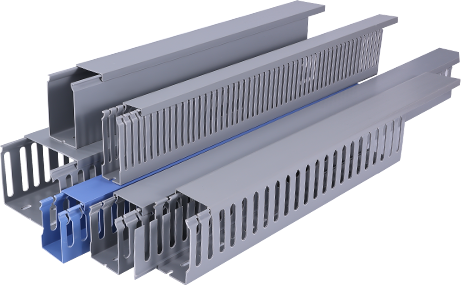

In the ever-evolving landscape of electrical infrastructure, modular wiring duct with removable covers has emerged as a game-changer for professionals across various industries. This innovative solution combines flexibility, organization, and accessibility, making it an indispensable tool for managing complex wiring systems in commercial, industrial, and residential settings.
Modular wiring duct systems are designed with a segmented structure that allows for easy customization according to specific project requirements. The removable covers, a defining feature of this product category, provide quick access to the wiring inside without the need for specialized tools or extensive disassembly. This design element alone has revolutionized maintenance practices, significantly reducing downtime and labor costs associated with traditional wiring management solutions.
One of the primary advantages of modular wiring duct with removable covers is its exceptional organizational capabilities. In environments where multiple cables, wires, and conduits converge, this system offers a systematic approach to routing and separating different types of wiring. The segmented compartments allow for clear demarcation between power, data, and communication lines, minimizing the risk of interference and simplifying troubleshooting processes.
The removable cover feature enhances accessibility, enabling technicians to inspect, modify, or upgrade wiring systems with unprecedented ease. Unlike fixed-cover alternatives that require cutting or destructive removal, these covers can be quickly detached and reattached, preserving the integrity of the system while facilitating maintenance operations. This feature is particularly valuable in dynamic environments where frequent updates to wiring configurations are necessary.
Durability is another hallmark of high-quality modular wiring duct with removable covers. Constructed from robust materials such as PVC, polycarbonate, or metal alloys, these systems offer resistance to impact, temperature fluctuations, and chemical exposure. This resilience ensures long-term performance even in harsh industrial conditions, making them suitable for manufacturing plants, data centers, and outdoor installations.
Installation of modular wiring duct systems is remarkably straightforward, thanks to their interlocking design and compatibility with standard mounting hardware. The modular segments can be easily connected to form continuous runs or complex configurations, adapting to the unique layout of any space. This flexibility eliminates the need for custom fabrication, reducing both material waste and installation time.
In commercial applications, these systems are commonly used in office buildings, retail spaces, and healthcare facilities where efficient cable management is crucial for maintaining operational efficiency. The removable covers allow for seamless integration with building automation systems, security networks, and communication infrastructure, supporting the growing demand for interconnected smart environments.
Industrial settings benefit from the rugged construction and high-capacity design of modular wiring duct with removable covers. Manufacturing plants, processing facilities, and power generation stations rely on these systems to manage heavy-duty wiring that powers machinery, control systems, and monitoring equipment. The ability to quickly access wiring components is essential in emergency situations, where every second counts in preventing costly downtime.
Residential applications are also embracing this technology, particularly in modern smart homes where integrated wiring for entertainment, security, and automation systems is becoming increasingly common. Homeowners and contractors appreciate the clean, organized appearance of these systems, which can be seamlessly integrated into interior design elements while providing easy access for future upgrades.
When selecting a modular wiring duct with removable covers, several factors should be considered. Material selection depends on the specific environmental conditions, with metal options offering superior durability in industrial settings and PVC providing cost-effective solutions for less demanding applications. Size and capacity requirements should align with the volume and type of wiring to be managed, ensuring optimal performance without overinvestment.
In conclusion, modular wiring duct with removable covers represents a significant advancement in electrical infrastructure management. Its combination of flexibility, accessibility, and durability addresses the evolving needs of modern wiring systems across diverse applications. As industries continue to adopt more complex technological solutions, the importance of efficient, adaptable wiring management will only grow, solidifying the position of this innovative product as a cornerstone of contemporary electrical design and maintenance practices.