
Electrical wiring is the backbone of any modern building, powering everything from lighting to complex machinery. However, the effectiveness and safety of an electrical system depend heavily on proper wiring conduct—a term that encompasses the techniques, standards, and practices used in installing and maintaining electrical circuits. Understanding and implementing correct wiring conduct is not just a matter of compliance with regulations; it is essential for preventing hazards, ensuring energy efficiency, and prolonging the lifespan of electrical systems.
Proper wiring conduct begins with the selection of appropriate materials. The type of wire, insulation, and connectors must be chosen based on the specific application and environmental conditions. For instance, wires used in wet areas require specialized insulation to prevent corrosion and short circuits, while high-temperature environments demand heat-resistant materials. Using substandard or incorrect materials can lead to premature failure, overheating, and even fires. Therefore, professionals must carefully evaluate the requirements of each project and select components that meet industry standards, such as those set by the National Electrical Code (NEC) in the United States or the International Electrotechnical Commission (IEC) globally.
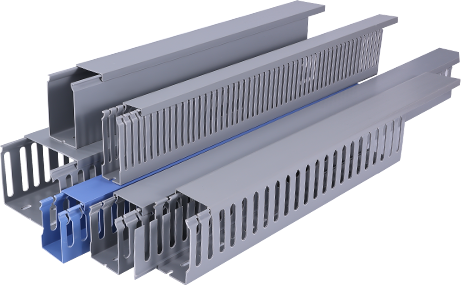
Another critical aspect of wiring conduct is the correct installation technique. This includes proper wire routing, secure connections, and adequate protection against physical damage. Wires should be routed in a way that minimizes exposure to sharp edges, excessive bending, or mechanical stress, which can compromise their integrity over time. Connections, whether using wire nuts, crimps, or soldering, must be tight and free of loose strands to prevent arcing—a common cause of electrical fires. Additionally, wires should be protected by conduits, raceways, or cable trays where necessary to shield them from moisture, dust, and other environmental factors. These practices not only enhance safety but also make future maintenance and upgrades easier.
Electrical safety is perhaps the most compelling reason to prioritize proper wiring conduct. Faulty wiring is a leading cause of residential and commercial fires, accounting for thousands of incidents each year. Overloaded circuits, improper grounding, and poor insulation can all result in overheating, sparks, and electrical shocks. By following correct wiring conduct, electricians can mitigate these risks. For example, grounding wires provide a safe path for excess current to flow to the ground, preventing electric shocks and equipment damage. Similarly, using the right wire gauge for the load ensures that circuits do not overheat under normal operating conditions. Regular inspections and testing, as part of ongoing wiring conduct, can also identify potential issues before they escalate into emergencies.
In addition to safety, proper wiring conduct contributes to energy efficiency. Poorly installed wiring can lead to energy losses through resistance, voltage drops, and inefficient power distribution. For instance, undersized wires have higher resistance, which causes more energy to be wasted as heat. This not only increases electricity bills but also places unnecessary strain on the electrical system. By using the correct wire size and ensuring tight connections, professionals can minimize energy losses and improve the overall efficiency of the system. This is particularly important in large commercial and industrial settings, where energy costs can be significant.
Wiring conduct also plays a crucial role in ensuring the reliability and longevity of electrical systems. A well-designed and installed wiring system is less likely to experience breakdowns, reducing downtime and maintenance costs. Proper labeling of circuits and components makes troubleshooting easier, allowing technicians to quickly identify and resolve issues. Moreover, following industry best practices ensures that the system can accommodate future expansions or upgrades without requiring a complete overhaul. This forward-thinking approach saves time and money in the long run, as it avoids the need for costly modifications down the line.
Compliance with regulations and standards is another key component of wiring conduct. Electrical codes and standards are developed to protect public safety and ensure the quality of electrical installations. These regulations specify everything from wire types and installation methods to grounding requirements and circuit protection. Failure to comply with these standards can result in fines, legal liabilities, and even the invalidation of insurance policies. Therefore, it is essential for electricians and contractors to stay updated on the latest codes and ensure that their work meets all applicable requirements. This not only protects their clients but also safeguards their professional reputation.
Training and education are fundamental to promoting proper wiring conduct. Electricians must undergo rigorous training to learn the principles of electrical theory, installation techniques, and safety protocols. Continuing education is also necessary to keep up with advancements in technology and changes in regulations. By investing in training, professionals can enhance their skills and ensure that they are equipped to handle the complexities of modern electrical systems. Additionally, homeowners and building managers can benefit from basic education on electrical safety, enabling them to recognize potential issues and take appropriate action.
In conclusion, proper wiring conduct is a multifaceted discipline that combines technical knowledge, practical skills, and adherence to standards. It is essential for ensuring electrical safety, improving energy efficiency, and maintaining the reliability of electrical systems. By selecting the right materials, following correct installation techniques, prioritizing safety, and complying with regulations, professionals can create electrical systems that are both effective and durable. As technology continues to evolve, the importance of proper wiring conduct will only grow, making it a critical area of focus for anyone involved in the design, installation, or maintenance of electrical systems. Whether you are a professional electrician or a homeowner, understanding the principles of wiring conduct is the first step toward creating a safe and efficient electrical environment.