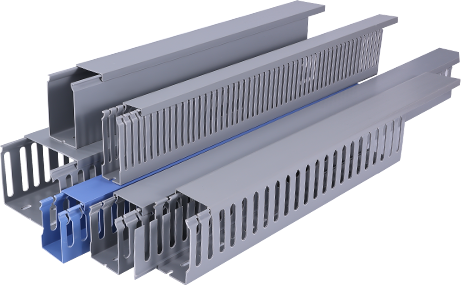

PVC wiring duct, also known as electrical conduit, is a versatile solution for organizing and protecting electrical wires in both residential and commercial settings. Made from durable polyvinyl chloride (PVC), this material offers numerous advantages over traditional metal conduits, making it a popular choice among electricians and DIY enthusiasts alike.
One of the primary benefits of PVC wiring duct is its exceptional durability. Unlike metal alternatives that can rust or corrode over time, PVC is resistant to moisture, chemicals, and UV radiation. This makes it ideal for both indoor and outdoor applications, including areas with high humidity or exposure to harsh weather conditions. Additionally, PVC is lightweight yet strong, making it easier to handle and install compared to heavier metal conduits.
Another key advantage is its cost-effectiveness. PVC wiring duct is generally more affordable than metal options, without compromising on quality or performance. This cost efficiency extends to installation as well, since PVC can be easily cut, shaped, and joined using simple tools, reducing labor costs and installation time.
PVC wiring duct comes in various sizes and configurations to accommodate different wiring needs. From small residential projects to large commercial installations, there is a PVC duct solution suitable for every application. The ducts are available in different diameters, wall thicknesses, and colors, allowing for customization based on specific requirements.
In terms of applications, PVC wiring duct is widely used in residential construction for concealing electrical wires in walls, ceilings, and floors. It provides a neat and organized appearance while protecting wires from damage caused by rodents, insects, or accidental impact. In commercial settings, PVC duct is commonly used in offices, retail spaces, and industrial facilities to manage complex wiring systems, ensuring compliance with electrical codes and safety standards.
Installation of PVC wiring duct requires careful planning and attention to detail. Before starting any project, it is essential to determine the appropriate size and type of duct based on the number and size of wires to be installed. Proper measurements and layout planning are crucial to ensure a seamless installation process.
When installing PVC wiring duct, it is important to follow manufacturer guidelines and local electrical codes. The ducts should be securely fastened using appropriate brackets or clips to prevent sagging or movement over time. Joints should be properly sealed using PVC cement or connectors to ensure a watertight and airtight seal, protecting the wires from moisture and dust.
Another important consideration is fire safety. While PVC is inherently flame-resistant, it is essential to choose ducts that meet fire safety standards for the specific application. Some PVC wiring ducts are designed with fire-retardant properties, providing an additional layer of protection in case of a fire.
Maintenance of PVC wiring duct is relatively simple compared to other materials. Regular inspections should be conducted to check for any signs of damage or wear, such as cracks, discoloration, or loose connections. Any issues should be addressed promptly to prevent potential electrical hazards.
In conclusion, PVC wiring duct offers a reliable, cost-effective, and versatile solution for organizing and protecting electrical wires. Its durability, ease of installation, and wide range of applications make it an excellent choice for both professional electricians and DIY enthusiasts. By following proper installation practices and maintenance procedures, PVC wiring duct can provide long-lasting performance and peace of mind for years to come.