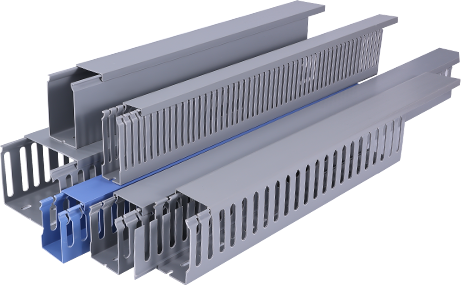

Industrial wiring duct, also known as wire duct or cable duct, is an essential component in modern industrial environments, providing organized pathways for electrical cables and wires. These specialized channels offer protection, organization, and accessibility for wiring systems in factories, manufacturing plants, and other industrial facilities.
Industrial wiring duct serves multiple critical functions in electrical installations. First and foremost, it provides physical protection for cables against mechanical damage, dust, moisture, and other environmental factors common in industrial settings. This protection extends the lifespan of electrical components and reduces maintenance costs over time. Additionally, wiring duct facilitates efficient cable management, allowing for easy identification and access during maintenance or upgrades.
There are several types of industrial wiring duct available to meet different application requirements. PVC wiring duct is lightweight, corrosion-resistant, and cost-effective, making it suitable for general-purpose applications. Metal wiring duct, typically made of steel or aluminum, offers superior mechanical protection and is ideal for heavy-duty industrial environments. Slotted wiring duct features openings along its length for easy cable insertion and removal, while solid duct provides maximum protection for sensitive wiring systems.
The selection of industrial wiring duct depends on several factors including the type of cables being installed, environmental conditions, and accessibility needs. High-temperature environments may require heat-resistant materials, while corrosive settings demand specialized coatings or materials. The size of the duct should accommodate the number and diameter of cables, with consideration for future expansion needs.
Proper installation of industrial wiring duct is crucial for optimal performance and safety. The installation process typically begins with careful planning to determine the optimal routing path, considering both current and future wiring requirements. Mounting brackets or clips secure the duct to walls, ceilings, or equipment, ensuring stability and proper alignment. It is essential to maintain appropriate bend radii for cables to prevent signal degradation or physical damage.
Safety considerations are paramount when working with industrial wiring duct. Installations should comply with relevant electrical codes and standards, including NEC (National Electrical Code) requirements in the United States. Proper grounding of metal duct systems is essential to prevent electrical hazards, while fire-resistant materials should be used in areas with fire safety concerns.
Maintenance of industrial wiring duct involves regular inspections to identify signs of wear, damage, or overloading. Periodic cleaning removes accumulated dust and debris that could impede ventilation or cause overheating. Cable management within the duct should be reassessed periodically to ensure optimal performance and to accommodate system modifications.
In conclusion, industrial wiring duct is a fundamental component of modern industrial electrical systems, offering protection, organization, and accessibility for wiring installations. Understanding the different types of duct, their applications, and proper installation techniques is essential for creating efficient, safe, and reliable electrical systems in industrial environments. By selecting the appropriate wiring duct and following best practices for installation and maintenance, industrial facilities can ensure the longevity and performance of their electrical infrastructure.