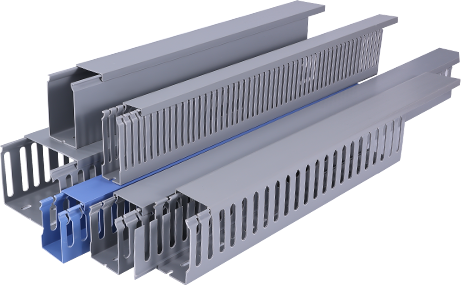

Electrical wiring duct, also known as wire duct or cable duct, is an essential component in electrical installations that provides a structured and organized way to route and protect electrical wires and cables. These ducts are designed to simplify wire management, improve safety, and enhance the overall aesthetics of electrical systems in both residential and commercial settings.
Electrical wiring ducts are typically made from durable materials such as PVC, metal, or fiberglass, each offering unique advantages depending on the specific application. PVC ducts are lightweight, cost-effective, and resistant to corrosion, making them ideal for indoor use. Metal ducts, often made of steel or aluminum, provide superior protection against physical damage and fire, making them suitable for industrial environments. Fiberglass ducts offer excellent insulation properties and are commonly used in high-temperature applications.
The primary function of electrical wiring duct is to organize and protect electrical wires from external factors such as dust, moisture, and mechanical damage. By enclosing wires within a duct, the risk of short circuits and electrical fires is significantly reduced. Additionally, ducts make it easier to identify and access specific wires for maintenance or repairs, saving time and effort for electricians.
Installation of electrical wiring duct requires careful planning and attention to detail. The first step is to determine the appropriate size and type of duct based on the number and size of wires to be routed. It is important to consider future expansion needs to avoid the need for costly modifications later. The duct should be mounted securely using brackets or adhesive, ensuring it is level and properly aligned with the electrical components it serves.
When installing the duct, it is crucial to maintain proper spacing between wires to prevent overheating and ensure optimal performance. Wires should be arranged neatly within the duct, avoiding sharp bends that could damage the insulation. Some ducts feature dividers or compartments to separate different types of wires, such as power and communication cables, further enhancing organization and safety.
Electrical wiring ducts are used in a wide range of applications, from residential homes to large industrial facilities. In residential settings, they are commonly installed in basements, attics, and utility rooms to route wires to outlets, switches, and appliances. In commercial buildings, ducts are used to manage the complex network of wires required for lighting, HVAC systems, and office equipment.
Industrial applications often require more robust duct solutions to withstand harsh environments. For example, in manufacturing plants, metal ducts are used to protect wires from heavy machinery and chemical exposure. In data centers, specialized ducts with fire-resistant properties are employed to safeguard critical communication cables.
Proper maintenance of electrical wiring duct is essential to ensure long-term performance and safety. Regular inspections should be conducted to check for signs of damage, such as cracks or discoloration, which could indicate overheating or wear. Any damaged sections should be replaced promptly to prevent potential hazards.
In conclusion, electrical wiring duct plays a vital role in modern electrical systems by providing a safe and organized way to route and protect wires. By choosing the right type of duct and following proper installation practices, homeowners and businesses can enjoy a reliable and efficient electrical infrastructure. As technology continues to advance, the demand for innovative duct solutions will only increase, making it essential for electricians and engineers to stay updated on the latest developments in this field.