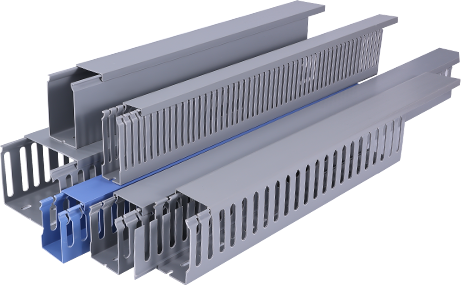

In the complex world of aviation, where precision and reliability are non-negotiable, the unsung heroes of aircraft electrical systems are often the components that keep everything connected. Among these, aviation wiring ducts play a vital role in organizing, protecting, and routing the intricate network of wires that power modern aircraft. These specialized channels are more than just conduits; they are essential to ensuring the safety, efficiency, and longevity of an aircraft's electrical infrastructure.
Aviation wiring ducts are designed to address the unique challenges of the aviation environment. Unlike their terrestrial counterparts, aircraft wiring systems must withstand extreme conditions including rapid temperature changes, high vibration, and potential exposure to chemicals and fluids. These ducts provide a structured pathway for electrical cables, preventing tangling and ensuring that each wire is routed efficiently from its source to its destination. By organizing wires into dedicated channels, they minimize the risk of electrical interference, a critical concern in an environment where even minor signal disruptions can have catastrophic consequences.
The materials used in aviation wiring ducts are carefully selected to meet the stringent safety and performance requirements of the aerospace industry. Most ducts are made from lightweight yet durable materials such as aluminum, fiberglass-reinforced plastic, or flame-retardant polymers. These materials not only reduce the overall weight of the aircraft—an important factor for fuel efficiency—but also provide excellent resistance to fire, corrosion, and mechanical stress. Additionally, many ducts feature insulation properties to protect wires from temperature fluctuations and electromagnetic interference, ensuring consistent performance even in the harshest flight conditions.
Beyond their protective function, aviation wiring ducts play a key role in simplifying maintenance and repairs. In the event of a system failure or routine inspection, having a well-organized wiring system allows technicians to quickly identify and access specific wires without disrupting the entire network. This not only reduces downtime but also minimizes the risk of human error during maintenance procedures. Modern ducts often incorporate modular designs, allowing for easy modification or expansion as aircraft systems evolve, which is particularly valuable in an industry characterized by rapid technological advancements.
The design of aviation wiring ducts is guided by strict regulatory standards set by organizations such as the Federal Aviation Administration (FAA) and the European Union Aviation Safety Agency (EASA). These standards dictate everything from the materials used to the spacing between wires, ensuring that the duct systems meet the highest safety and performance criteria. For example, ducts must be designed to prevent the spread of fire, with fire-resistant materials and proper ventilation to dissipate heat. They must also be engineered to withstand the mechanical stresses of flight, including turbulence and pressure changes, without compromising the integrity of the wiring inside.
In recent years, the aviation industry has seen a growing emphasis on digitalization and electrification, which has further increased the complexity of aircraft wiring systems. As more systems become computer-controlled and electric, the demand for efficient and reliable wiring ducts has grown. Advanced designs now incorporate features such as integrated sensors to monitor the condition of wires, or self-healing materials to address minor damage. These innovations not only enhance the performance of the electrical system but also contribute to the overall safety and sustainability of modern aircraft.
In conclusion, aviation wiring ducts are an indispensable component of aircraft electrical systems, serving as the backbone that ensures the seamless operation of critical functions. From protecting wires against harsh environmental conditions to simplifying maintenance and adhering to strict regulatory standards, these ducts play a multifaceted role in aviation safety and efficiency. As the industry continues to evolve with new technologies, the importance of high-quality, well-designed wiring ducts will only grow, underscoring their status as a cornerstone of modern aviation infrastructure.