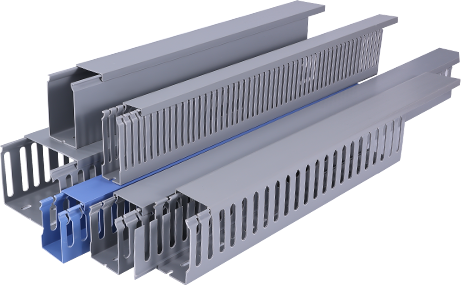

Residential electrical duct systems play a crucial role in modern homes, serving as the hidden infrastructure that safely distributes electrical power throughout living spaces. Often overlooked but essential, these specialized conduits protect electrical wires from damage, reduce fire hazards, and ensure efficient power delivery to all corners of a home. Understanding the basics of residential electrical duct systems can help homeowners make informed decisions about installation, maintenance, and upgrades.
Electrical ducts, also known as conduit systems, are pathways designed to enclose and protect electrical wiring. They come in various materials, including metal, plastic, and fiberglass, each with unique properties suited to different applications. Metal ducts, typically made of steel or aluminum, offer excellent durability and fire resistance, making them ideal for high-traffic areas or locations prone to physical damage. Plastic ducts, such as PVC or HDPE, are lightweight, corrosion-resistant, and easier to install, often used in less demanding environments like basements or attics. Fiberglass ducts, though less common, provide superior insulation and are suitable for areas where temperature control is a priority.
Proper installation of residential electrical duct systems is critical to ensure safety and compliance with building codes. The process begins with a detailed assessment of the home's electrical needs, including the number of circuits, power requirements, and layout of living spaces. Electricians then design a duct system that optimizes wire routing while minimizing bends and sharp turns, which can cause wire damage or signal interference. During installation, ducts must be securely fastened to structural elements using appropriate brackets and supports, and all connections must be sealed to prevent moisture or debris from entering. Additionally, grounding the duct system is essential to protect against electrical shocks and ensure proper operation of circuit breakers.
Maintenance of residential electrical duct systems is often overlooked but vital for long-term performance. Regular inspections can identify potential issues such as loose connections, corrosion, or damage from pests. Homeowners should visually inspect ducts for signs of wear, including cracks, dents, or discoloration, which may indicate overheating or physical damage. It is also important to keep ducts clear of debris, such as dust, dirt, or insulation, which can accumulate over time and increase fire risks. In addition, periodic testing of electrical circuits can help detect hidden problems, such as overloaded wires or faulty connections, before they lead to more serious issues.
Safety is a primary concern when dealing with residential electrical duct systems. Improper installation or maintenance can lead to electrical fires, shocks, or equipment damage. Homeowners should never attempt to modify or repair electrical ducts without proper training and certification. Instead, they should hire licensed electricians who are familiar with local building codes and safety standards. When working near ducts, it is important to turn off the power supply and use appropriate personal protective equipment, such as gloves and safety glasses. Additionally, homeowners should avoid storing flammable materials near ducts and ensure that ducts are not obstructed by furniture or other objects, which can restrict airflow and increase fire risks.
Advancements in technology have led to the development of innovative residential electrical duct systems that offer enhanced performance and efficiency. For example, smart duct systems equipped with sensors can monitor temperature, humidity, and electrical load, providing real-time data to homeowners and electricians. These systems can detect potential issues early, allowing for proactive maintenance and reducing the risk of electrical failures. Additionally, energy-efficient ducts with improved insulation can help reduce energy consumption and lower utility costs, making them an attractive option for environmentally conscious homeowners.
In conclusion, residential electrical duct systems are an essential component of modern homes, ensuring the safe and efficient distribution of electrical power. By understanding the different types of ducts, proper installation techniques, and maintenance practices, homeowners can ensure their electrical systems remain reliable and safe. Whether building a new home or upgrading an existing one, investing in high-quality electrical duct systems and professional installation is a wise decision that can protect both property and residents. As technology continues to evolve, residential electrical duct systems will likely become even more advanced, offering greater safety, efficiency, and convenience for homeowners.