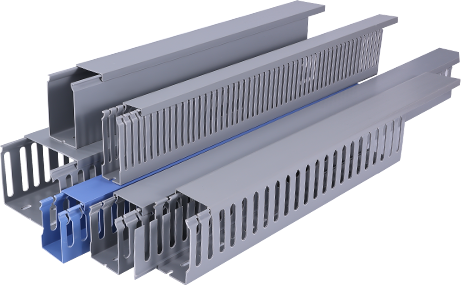

In the world of electrical installations, cable trunking stands as a crucial component that often goes unnoticed but plays a vital role in maintaining organized and safe electrical systems. This comprehensive guide will explore the importance, types, applications, and benefits of cable trunking in various environments.
Cable trunking, also known as cable ducting or cable management systems, refers to the protective enclosures used to route and organize electrical cables. These systems are designed to protect cables from physical damage, environmental factors, and electromagnetic interference while also providing a neat and professional appearance. The use of cable trunking has become increasingly important as modern buildings and industrial facilities require more complex electrical systems with numerous cables.
There are several types of cable trunking available, each designed for specific applications. PVC trunking is one of the most common types, known for its affordability, ease of installation, and resistance to corrosion. It is widely used in residential and commercial buildings. Metal trunking, typically made of steel or aluminum, offers greater durability and fire resistance, making it suitable for industrial settings and high-temperature environments. For outdoor applications, weatherproof trunking with UV-resistant materials is essential to withstand harsh weather conditions.
The installation of cable trunking involves careful planning and execution. Proper measurement and layout are crucial to ensure that the trunking can accommodate all necessary cables without overcrowding. Trunking systems are available in various sizes and shapes, including rectangular, circular, and slotted designs, allowing for flexibility in installation. Additionally, trunking can be easily modified with accessories such as bends, tees, and reducers to adapt to different architectural layouts.
One of the primary benefits of cable trunking is improved safety. By containing cables within a protective enclosure, trunking reduces the risk of electrical shocks, fires, and cable damage. It also prevents cables from becoming tangled or exposed, which can lead to accidents or equipment failure. In industrial settings, cable trunking helps maintain a clean and organized workspace, reducing the risk of tripping hazards and improving overall workplace safety.
Another advantage of cable trunking is enhanced cable management. With trunking, cables can be neatly organized and labeled, making it easier to identify and access specific cables when maintenance or repairs are needed. This not only saves time but also reduces the risk of errors during troubleshooting. In data centers and server rooms, proper cable management is essential for maintaining optimal performance and preventing overheating.
Cable trunking also offers aesthetic benefits. In residential and commercial buildings, exposed cables can be unsightly and detract from the overall design. Trunking provides a clean and professional appearance, blending seamlessly with the surrounding environment. It can be painted or covered with decorative materials to match the interior design, enhancing the visual appeal of the space.
In addition to these benefits, cable trunking is also environmentally friendly. By protecting cables from damage, it extends their lifespan, reducing the need for frequent replacements and minimizing waste. Furthermore, some trunking materials are recyclable, contributing to sustainable practices in the construction and electrical industries.
When selecting cable trunking, it is important to consider factors such as the type of cables being used, the environment in which they will be installed, and the specific requirements of the project. Consulting with a professional electrician or cable management expert can help ensure that the right trunking system is chosen for the job.
In conclusion, cable trunking is an essential component of modern electrical systems, providing protection, organization, and aesthetic benefits. Whether in residential, commercial, or industrial settings, the proper use of cable trunking can improve safety, efficiency, and the overall performance of electrical installations. As technology continues to advance and electrical systems become more complex, the importance of effective cable management through trunking will only continue to grow.