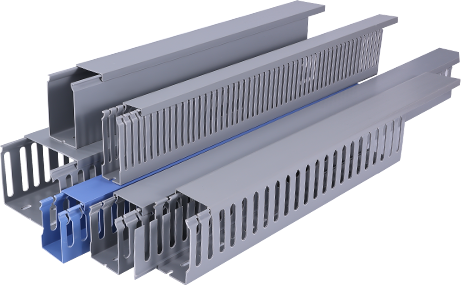

In modern construction and infrastructure development, the management of electrical and communication cables is a critical aspect that often goes unnoticed. Câble duct, also known as cable conduit, plays a vital role in organizing, protecting, and concealing these essential wires. This guide explores the importance of câble duct, its various types, applications, and best practices for installation.
Câble duct systems are designed to provide a structured pathway for cables, ensuring they remain organized and protected from environmental factors. Whether in residential buildings, commercial complexes, or industrial facilities, câble duct helps prevent cable damage, simplifies maintenance, and enhances overall safety. Without proper cable management, wires can become tangled, leading to potential fire hazards, signal interference, and costly repairs.
There are several types of câble duct available, each suited to specific applications. Rigid metal conduits, typically made of steel or aluminum, offer excellent protection against physical damage and are ideal for industrial settings where cables may be exposed to heavy machinery or harsh conditions. PVC (polyvinyl chloride) ducts, on the other hand, are lightweight, corrosion-resistant, and commonly used in residential and commercial buildings due to their ease of installation and cost-effectiveness. Flexible conduits, often made of plastic or metal, provide versatility in tight spaces and are suitable for areas where cables need to bend around obstacles.
The installation of câble duct requires careful planning and adherence to industry standards. Before installation, it is essential to assess the cable load, environmental conditions, and future expansion needs. Proper sizing ensures that the duct can accommodate all cables without overcrowding, which could lead to overheating. Additionally, the duct should be routed in a way that minimizes bends and sharp turns, as these can cause signal loss or cable damage. Secure fastening using clips or brackets is crucial to prevent the duct from sagging or shifting over time.
Maintenance of câble duct systems is equally important to ensure long-term performance. Regular inspections should be conducted to check for signs of wear, corrosion, or damage. Any issues, such as cracks or loose connections, should be addressed promptly to prevent further damage. In industrial environments, periodic cleaning may be necessary to remove dust or debris that could obstruct cable pathways. Proper labeling of ducts and cables also simplifies troubleshooting and future modifications.
In conclusion, câble duct is an indispensable component of modern infrastructure, providing a reliable and organized solution for cable management. By understanding the different types of ducts, their applications, and following best practices for installation and maintenance, professionals can ensure efficient and safe cable systems. Whether for residential, commercial, or industrial use, investing in quality câble duct and proper installation will contribute to the longevity and performance of electrical and communication networks.