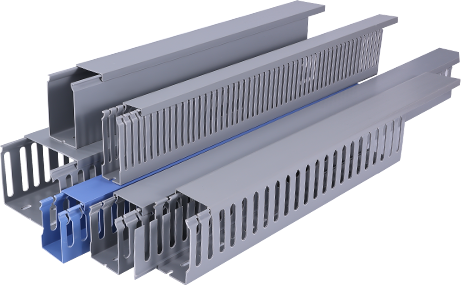

In the world of industrial infrastructure, efficient cable management is essential for maintaining operational safety, maximizing system performance, and ensuring long-term reliability. Among the various solutions available, metal wire duct stands out as a versatile and robust option that has revolutionized how industries handle their cable routing needs. This comprehensive guide explores the benefits, applications, and considerations of metal wire duct, shedding light on why it has become the go-to choice for engineers and facility managers worldwide.
Metal wire duct, also known as wire mesh duct or wire basket tray, is a rigid structure composed of interconnected metal wires forming a grid-like pattern. Unlike traditional enclosed cable trays or conduits, this open design offers several distinct advantages. First and foremost, it provides excellent ventilation, preventing heat buildup that can damage sensitive electrical components. This is particularly crucial in high-temperature environments such as data centers, power plants, and manufacturing facilities where heat dissipation is a top priority.
Another key benefit of metal wire duct is its exceptional strength-to-weight ratio. Constructed from materials like galvanized steel, stainless steel, or aluminum, these ducts can support heavy loads while remaining relatively lightweight. This makes installation easier and reduces structural stress on supporting frameworks. The open design also allows for quick and easy access to cables, simplifying maintenance, troubleshooting, and modifications. Technicians can visually inspect cables without removing covers, saving valuable time during routine checks or emergency repairs.
The versatility of metal wire duct extends to its wide range of applications across various industries. In the telecommunications sector, it is used to route fiber optic cables and data lines, ensuring reliable signal transmission while protecting against physical damage. In the automotive industry, metal wire duct organizes wiring harnesses in manufacturing plants, reducing the risk of tangling and simplifying assembly processes. In commercial buildings, it provides an aesthetically pleasing solution for routing electrical and communication cables, especially in exposed ceiling applications where appearance matters.
When selecting metal wire duct for a specific application, several factors should be considered. Material choice is critical, with galvanized steel offering corrosion resistance and affordability, stainless steel providing superior durability in harsh environments, and aluminum being ideal for lightweight applications. The mesh size and wire gauge determine the duct's load capacity and cable protection level, with smaller mesh sizes offering better protection against debris and larger sizes facilitating easier cable insertion.
Installation of metal wire duct is straightforward, thanks to its modular design and compatibility with various mounting systems. It can be easily cut to length, connected with accessories like elbows, tees, and reducers, and secured using brackets or hangers. This flexibility allows for customization to fit unique layouts and space constraints. Additionally, the open design minimizes the need for complex bends and transitions, reducing installation time and costs.
In conclusion, metal wire duct represents a significant advancement in cable management technology. Its combination of strength, ventilation, accessibility, and versatility makes it an ideal solution for a wide range of industrial and commercial applications. By choosing metal wire duct, organizations can enhance system reliability, improve maintenance efficiency, and ensure compliance with safety standards. As industries continue to evolve and demand more sophisticated cable management solutions, metal wire duct will undoubtedly remain at the forefront of innovation, providing a robust foundation for modern infrastructure.