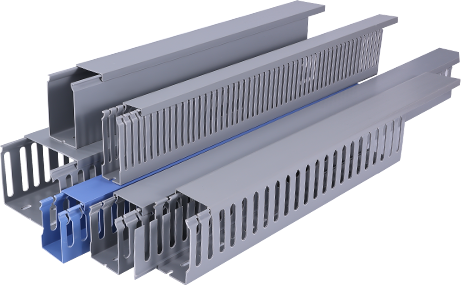

Wire duct, also known as wire raceway or cable management duct, is an indispensable component in modern electrical systems. It provides a structured and secure solution for organizing, protecting, and routing electrical wires and cables in residential, commercial, and industrial settings. This guide will explore the importance, types, applications, and installation of wire duct, helping you understand how this versatile product can enhance your electrical projects.
Wire duct serves multiple critical functions in electrical systems. First and foremost, it organizes wires, preventing tangling and making it easier to trace and maintain individual circuits. This organization is especially important in complex systems where multiple wires need to be routed to different locations. Additionally, wire duct protects wires from physical damage, such as abrasion, impact, and exposure to harsh environmental conditions. By enclosing wires, it also reduces the risk of electrical fires, short circuits, and other hazards, enhancing overall safety.
There are several types of wire duct available, each designed for specific applications. The most common types include rigid wire duct, flexible wire duct, and slotted wire duct. Rigid wire duct, typically made of PVC or metal, is ideal for permanent installations where durability and stability are essential. Flexible wire duct, often made of plastic or rubber, is suitable for areas where wires need to bend around obstacles or move slightly. Slotted wire duct, featuring pre-cut slots, allows for easy insertion and removal of wires, making it convenient for maintenance and modifications.
Wire duct finds applications in various settings. In residential buildings, it is used to route wires behind walls, under floors, and in ceilings, providing a clean and organized look. In commercial buildings, wire duct is essential for managing the extensive wiring required for lighting, power, and communication systems. Industrial settings, such as factories and warehouses, rely on wire duct to protect wires from heavy machinery, chemicals, and extreme temperatures. It is also commonly used in data centers to manage the large number of cables required for servers and networking equipment.
Installing wire duct requires careful planning and execution. The first step is to determine the layout and path of the wires, considering the length, number, and type of wires. Next, measure and cut the wire duct to the required length, ensuring that it fits the space and allows for proper wire routing. The duct should be securely mounted using appropriate fasteners, such as screws or adhesive, to prevent movement or dislodgment. Once the duct is in place, wires can be inserted, and the duct can be closed with a cover to protect the wires and maintain a neat appearance.
In conclusion, wire duct is a vital tool for organizing and protecting electrical wiring. Its versatility, durability, and ease of installation make it suitable for a wide range of applications. By using wire duct, you can ensure that your electrical systems are safe, efficient, and easy to maintain. Whether you are a professional electrician or a DIY enthusiast, understanding the benefits and proper use of wire duct is essential for successful electrical projects.