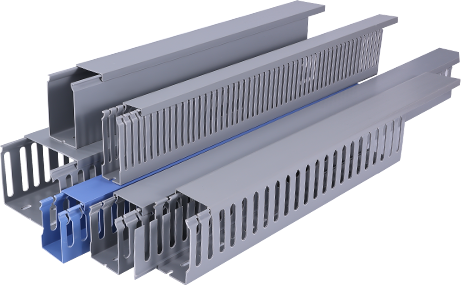

Cable duct systems are an integral part of modern infrastructure, serving as the backbone for organizing and protecting electrical and communication cables in residential, commercial, and industrial settings. These specialized pathways ensure that cables remain organized, secure, and protected from environmental factors, mechanical damage, and unauthorized access. In this comprehensive guide, we will explore the design principles, installation processes, and maintenance practices of cable duct systems, highlighting their importance in ensuring reliable and efficient cable management.
Cable ducts, also known as cable trays or raceways, come in various materials, including metal, plastic, and fiberglass, each offering distinct advantages based on the application. Metal ducts, such as steel or aluminum, are renowned for their durability and strength, making them ideal for heavy-duty industrial environments where cables are exposed to high temperatures, mechanical stress, or corrosive substances. Plastic ducts, on the other hand, are lightweight, cost-effective, and resistant to chemicals, making them suitable for indoor applications like office buildings and residential complexes. Fiberglass ducts combine the benefits of both metal and plastic, offering high strength, corrosion resistance, and thermal insulation, making them perfect for outdoor or underground installations.
The design of a cable duct system requires careful consideration of several factors, including the type and number of cables, environmental conditions, and future expansion needs. Proper design ensures that cables are routed efficiently, minimizing signal interference and maximizing airflow for heat dissipation. Engineers must calculate the required duct size based on the total cross-sectional area of the cables, ensuring there is sufficient space for future additions without overcrowding. Additionally, the layout should be planned to avoid sharp bends and excessive lengths, which can cause signal degradation and increase installation complexity.
Installation of cable ducts is a precise process that demands adherence to safety standards and building codes. Before installation, a thorough site assessment is conducted to identify potential obstacles, such as existing utilities or structural elements. The ducts are then mounted using brackets, supports, or hangers, ensuring they are securely fixed and properly aligned. Cables are carefully pulled through the ducts, using specialized tools to avoid damage, and secured at regular intervals to prevent sagging. It is crucial to label each duct and cable for easy identification during maintenance or future modifications.
Maintenance of cable duct systems is essential to ensure their long-term performance and reliability. Regular inspections should be conducted to check for signs of wear, corrosion, or damage, such as cracks, loose connections, or accumulated debris. Any issues should be addressed promptly to prevent cable damage or system failure. Cleaning the ducts periodically helps remove dust and contaminants that can affect cable performance, while lubricating moving parts ensures smooth operation. Additionally, updating the system to accommodate new cables or technologies is necessary to keep up with evolving infrastructure needs.
In conclusion, cable duct systems play a vital role in modern infrastructure, providing a structured and protected pathway for electrical and communication cables. By understanding the design principles, installation processes, and maintenance practices, engineers and technicians can ensure that these systems are efficient, reliable, and durable. Whether in a residential home, commercial building, or industrial facility, a well-designed and maintained cable duct system is essential for ensuring the seamless operation of electrical and communication networks.