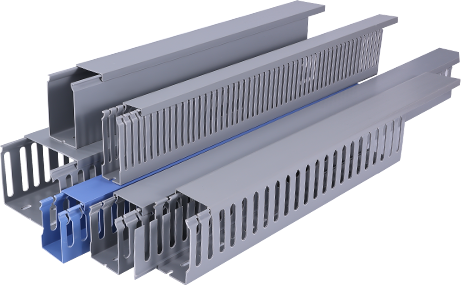

When it comes to electrical installations across international borders, the choice of wiring duct plays a crucial role in ensuring safety, efficiency, and compliance. For international clients who operate in multiple countries or export their products globally, understanding the nuances of wiring duct specifications becomes essential. This comprehensive guide explores the key considerations for selecting and implementing wiring duct solutions that meet diverse international standards and requirements.
Wiring duct, also known as cable management duct or wire raceway, serves as a protective channel for electrical wires and cables. Its primary functions include organizing cables, preventing damage, and facilitating maintenance. For international clients, the challenges lie in navigating different regulatory frameworks, environmental conditions, and installation practices across various regions. A one-size-fits-all approach rarely works, making it necessary to tailor solutions to specific geographic and industry needs.
One of the first considerations for international clients is compliance with local electrical codes and standards. For example, the National Electrical Code (NEC) in the United States, the International Electrotechnical Commission (IEC) standards in Europe, and the Japanese Industrial Standards (JIS) each have distinct requirements for wiring duct materials, dimensions, and installation methods. Non-compliance can lead to costly delays, fines, or even project shutdowns. Therefore, working with suppliers who understand these regional differences is critical.
Material selection is another vital aspect. Wiring ducts are typically made from PVC, metal, or fiberglass, each offering unique advantages. PVC ducts are lightweight and cost-effective, making them suitable for indoor applications in temperate climates. Metal ducts, such as steel or aluminum, provide superior durability and fire resistance, ideal for industrial settings or areas with high temperature fluctuations. Fiberglass ducts excel in corrosive environments, making them a preferred choice for marine or chemical industries. International clients must evaluate the environmental conditions of their target markets to select the most appropriate material.
Design flexibility is essential for international projects that may require customization. Modular wiring duct systems allow for easy expansion and reconfiguration, which is particularly beneficial for clients with evolving infrastructure needs. Additionally, features like snap-on covers, adjustable dividers, and pre-punched mounting holes simplify installation and maintenance, reducing labor costs and downtime. Suppliers that offer customizable solutions can better meet the unique requirements of international clients, whether they need specific sizes, colors, or branding.
Logistics and supply chain management also play a significant role. International clients often face challenges related to shipping costs, lead times, and customs regulations. Partnering with suppliers who have a global distribution network can mitigate these issues by ensuring timely delivery and reducing transportation expenses. Moreover, suppliers with local presence in key markets can provide on-site support, technical assistance, and after-sales service, enhancing the overall customer experience.
Sustainability is an increasingly important factor for international clients. As environmental regulations become stricter worldwide, selecting eco-friendly wiring duct materials and manufacturing processes can help companies meet their corporate social responsibility goals. Recyclable materials, energy-efficient production methods, and reduced waste are all considerations that can enhance a company's reputation and competitiveness in global markets.
In conclusion, selecting the right wiring duct for international clients requires a holistic approach that considers compliance, material selection, design flexibility, logistics, and sustainability. By partnering with experienced suppliers who understand global standards and can provide tailored solutions, international clients can ensure their electrical installations are safe, efficient, and cost-effective. As the world becomes more interconnected, the demand for reliable and adaptable wiring duct solutions will continue to grow, making it essential for businesses to stay informed and proactive in their approach to cable management.