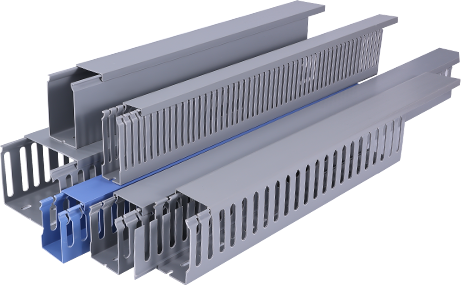

In today's technology-driven workplaces, the proliferation of electronic devices has led to a significant increase in cable clutter. From computer monitors and printers to servers and communication equipment, the sheer number of cables can quickly turn an organized space into a tangled mess. This is where professional cable management solutions come into play, offering a systematic approach to organizing, routing, and securing cables for both functional and aesthetic benefits.
Professional cable management solutions go beyond simple zip ties and Velcro straps. They encompass a comprehensive range of products and strategies designed to address the unique challenges of different environments. In office settings, for example, under-desk cable trays and raceways provide a discreet way to hide power and data cables, preventing them from becoming tripping hazards while maintaining a clean, professional appearance. These systems often feature modular designs, allowing for easy expansion as technology needs evolve.
In data centers and server rooms, where cable density is particularly high, professional solutions become even more critical. Raised floor systems with cable management channels allow for efficient routing of power and network cables, ensuring optimal airflow and reducing the risk of overheating. Additionally, vertical cable managers and patch panels help organize and label connections, simplifying maintenance and troubleshooting. This not only improves operational efficiency but also minimizes downtime caused by accidental disconnections or cable damage.
The benefits of professional cable management extend beyond organization. Properly managed cables can enhance safety by reducing the risk of electrical fires and tripping accidents. They also improve air circulation, which is essential for maintaining the optimal operating temperature of electronic equipment. Moreover, a well-organized workspace can boost employee productivity by reducing distractions and creating a more pleasant environment.
When selecting professional cable management solutions, it's important to consider factors such as the type and number of cables, the environment, and future expansion needs. For instance, in a home office, a simple desktop cable organizer might suffice, while a large corporate office may require a more complex system of overhead raceways and under-floor channels. Consulting with a professional can help determine the most appropriate solution for specific requirements.
In conclusion, professional cable management solutions are an essential investment for any modern workspace. They not only improve the aesthetic appeal of a space but also enhance safety, efficiency, and productivity. By implementing these solutions, businesses can create a more organized and functional environment that supports their technological needs both now and in the future.