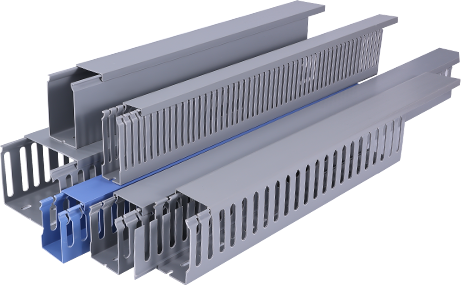

Wind energy has emerged as a cornerstone of global renewable energy strategies, with turbines becoming increasingly sophisticated and efficient. However, the complex electrical systems within these turbines require meticulous organization to ensure optimal performance and safety. This is where wiring duct for wind energy projects plays a crucial role. These specialized components provide structured pathways for electrical cables, protecting them from environmental hazards while facilitating maintenance and upgrades.
In wind energy projects, the harsh operating conditions—including extreme temperatures, high humidity, and mechanical vibrations—pose significant challenges to electrical systems. Wiring duct acts as a protective shield, preventing cable damage from these elements. Made from durable materials like PVC, aluminum, or steel, these ducts are designed to withstand the rigors of wind turbine environments. Their robust construction ensures that cables remain intact, reducing the risk of electrical failures that could lead to costly downtime or safety incidents.
Beyond protection, wiring duct enhances the efficiency of wind turbine operations. By organizing cables into neat, accessible pathways, maintenance teams can quickly identify and address issues. This organized approach minimizes the time spent troubleshooting, allowing technicians to focus on more critical tasks. Additionally, well-structured wiring duct simplifies future upgrades, as new cables can be easily integrated into existing systems without disrupting operations. This flexibility is particularly valuable in an industry where technology evolves rapidly, and wind farms often require periodic updates to stay competitive.
The design of wiring duct for wind energy projects is tailored to the specific needs of turbine installations. For example, vertical wind turbines require duct systems that can handle vertical cable runs, while horizontal-axis turbines may need configurations that accommodate complex cable routing. Manufacturers often offer customizable solutions, including various sizes, shapes, and mounting options, to fit the unique layout of each wind farm. This adaptability ensures that wiring duct can be seamlessly integrated into any turbine design, regardless of its size or complexity.
Another key benefit of wiring duct is its contribution to safety. In wind turbines, electrical fires are a significant risk, especially in enclosed spaces where heat can accumulate. Wiring duct helps mitigate this risk by providing proper ventilation and heat dissipation, preventing overheating of cables. Additionally, the use of fire-resistant materials in some duct designs adds an extra layer of protection, reducing the likelihood of fire propagation. This focus on safety is critical, as wind farms are often located in remote areas, making emergency response more challenging.
Environmental considerations also play a role in the selection of wiring duct for wind energy projects. Many manufacturers now offer eco-friendly materials, such as recycled plastics or low-emission metals, to align with the sustainability goals of renewable energy initiatives. These materials not only reduce the environmental impact of wind farms but also contribute to the overall carbon footprint reduction that wind energy aims to achieve.
In conclusion, wiring duct for wind energy projects is an essential component that ensures the reliability, safety, and efficiency of wind turbine electrical systems. By providing structured cable management, protection from harsh environments, and flexibility for future upgrades, these ducts play a vital role in the success of wind energy infrastructure. As the demand for renewable energy continues to grow, the importance of high-quality wiring duct will only increase, making it a key consideration for any wind energy project.