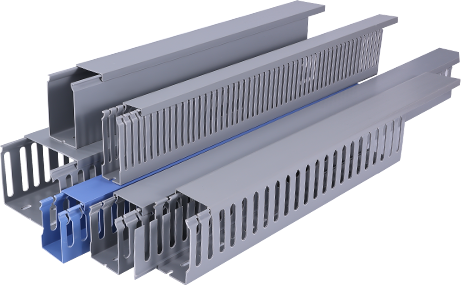

In the modern world of electrical systems, high temperature resistant wiring duct plays a crucial role in ensuring the safety, reliability, and efficiency of electrical installations. This specialized component is designed to withstand extreme heat conditions, making it indispensable in environments where conventional wiring solutions would fail.
High temperature resistant wiring duct, also known as heat-resistant cable management systems, is engineered to maintain its structural integrity and protective properties even under elevated temperatures. Unlike standard wiring ducts that may melt, deform, or degrade when exposed to high heat, these specialized ducts are constructed from materials specifically chosen for their thermal stability.
One of the key applications of high temperature resistant wiring duct is in industrial settings. Factories, manufacturing plants, and power generation facilities often operate at high temperatures due to industrial processes, machinery, and electrical equipment. In such environments, conventional wiring systems can pose significant fire hazards and safety risks. High temperature resistant wiring duct provides a reliable solution by containing and protecting electrical cables, preventing heat-related damage and potential electrical fires.
Another important application is in commercial buildings, particularly those with high-temperature environments such as kitchens, server rooms, and data centers. In commercial kitchens, for example, cooking equipment generates intense heat that can damage standard wiring systems. High temperature resistant wiring duct ensures that electrical cables remain protected, reducing the risk of electrical failures and fire incidents.
The materials used in high temperature resistant wiring duct vary depending on the specific temperature requirements. Common materials include fiberglass-reinforced plastic (FRP), polyvinyl chloride (PVC) with heat-resistant additives, and metal alloys such as aluminum and stainless steel. Each material offers different levels of heat resistance, allowing for customization based on the specific application and temperature range.
Installation of high temperature resistant wiring duct requires careful planning and consideration. Proper sizing, placement, and secure fastening are essential to ensure optimal performance. Additionally, regular maintenance and inspection are necessary to identify any signs of wear or damage, ensuring the continued safety and reliability of the electrical system.
In conclusion, high temperature resistant wiring duct is an essential component in modern electrical systems, providing critical protection in high-temperature environments. Its ability to withstand extreme heat conditions makes it indispensable in industrial and commercial applications, where safety and reliability are paramount. As technology continues to advance, the demand for high temperature resistant wiring duct is expected to grow, driving further innovation in materials and design to meet the evolving needs of various industries.