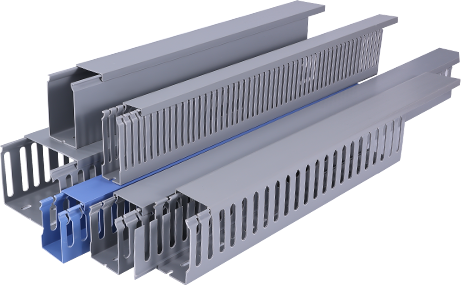

In the realm of electrical engineering and building infrastructure, safety remains a paramount concern. With the increasing complexity of electrical systems and the growing demand for reliable power distribution, the need for effective fire prevention measures has never been more critical. One essential component that plays a significant role in ensuring electrical safety is the flame retardant wiring duct. This specialized conduit serves as a protective channel for electrical wires, cables, and other components, while also providing an added layer of fire resistance to minimize potential hazards.
Flame retardant wiring ducts are designed to contain and slow the spread of fire in the event of an electrical fault or ignition. Unlike standard wiring ducts, which may melt or burn rapidly when exposed to high temperatures, flame retardant versions are constructed from materials that resist combustion and emit minimal smoke when heated. This property is particularly valuable in environments where electrical systems are exposed to high temperatures, such as industrial facilities, commercial buildings, and residential complexes.
The key to the effectiveness of flame retardant wiring ducts lies in their material composition. Most modern flame retardant ducts are made from thermoplastic materials, such as polyvinyl chloride (PVC) or polypropylene, which have been treated with flame retardant additives. These additives, which can include halogenated compounds, phosphorus-based chemicals, or metal hydroxides, work by interfering with the combustion process. For example, halogenated flame retardants release halogens when heated, which react with the flame's free radicals to suppress combustion. Phosphorus-based additives, on the other hand, form a protective char layer on the surface of the material, insulating it from heat and oxygen.
In addition to their fire-resistant properties, flame retardant wiring ducts offer several other advantages. They provide excellent mechanical protection for electrical wires, shielding them from physical damage caused by impact, abrasion, or environmental factors. This protection is especially important in industrial settings where heavy machinery and equipment may pose a risk to exposed wiring. Furthermore, these ducts are designed to be easy to install, with features such as snap-on covers, pre-drilled mounting holes, and modular designs that allow for quick and efficient assembly.
The applications of flame retardant wiring ducts are diverse and span across various industries. In commercial buildings, such as office complexes and shopping malls, these ducts are used to route electrical cables in ceilings, walls, and floors, ensuring that any potential fire is contained and does not spread to other parts of the building. In industrial facilities, they are employed in manufacturing plants, power stations, and chemical processing plants, where the risk of fire is heightened due to the presence of flammable materials and high-temperature processes. Residential buildings also benefit from flame retardant wiring ducts, particularly in areas where electrical systems are located near combustible materials, such as attics, basements, and wall cavities.
When selecting a flame retardant wiring duct, several factors should be considered. The first is the level of flame resistance required, which is typically determined by the building code or industry standards. Different regions and applications may have specific requirements, such as the UL 94 flammability rating, which classifies materials based on their burning behavior. Another important factor is the size and shape of the duct, which should be chosen based on the number and size of the wires or cables being housed. Additionally, the material's chemical resistance, UV stability, and temperature tolerance should be evaluated to ensure it can withstand the environmental conditions of the installation site.
In conclusion, flame retardant wiring ducts are an essential component in modern electrical systems, providing both mechanical protection and fire resistance. Their ability to slow the spread of fire and reduce smoke emission makes them a critical safety feature in a wide range of applications, from residential homes to industrial facilities. By selecting the right flame retardant wiring duct and ensuring proper installation, engineers and builders can significantly enhance the safety and reliability of electrical systems, protecting both property and lives from the devastating effects of fire.