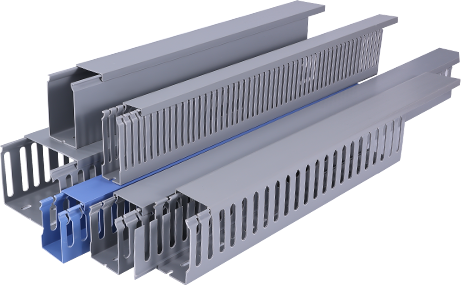

PVC wire duct, also known as PVC cable duct or PVC wiring channel, is an essential component in modern electrical installations. This versatile product offers an efficient and organized solution for managing electrical cables in residential, commercial, and industrial settings. In this comprehensive guide, we will explore the features, benefits, applications, and installation of PVC wire duct, providing valuable insights for both professionals and DIY enthusiasts.
PVC wire duct is constructed from high-quality polyvinyl chloride, a thermoplastic material renowned for its durability, flexibility, and resistance to various environmental factors. These ducts come in a variety of sizes, shapes, and colors, allowing for customization based on specific project requirements. The U-shaped or rectangular channels feature a snap-on or slide-on cover, providing easy access to cables while ensuring protection from dust, moisture, and physical damage.
One of the primary advantages of PVC wire duct is its exceptional cable management capabilities. By neatly organizing wires within the duct, it reduces the risk of cable tangling, simplifies troubleshooting, and enhances overall system aesthetics. This organized approach also improves airflow around cables, preventing overheating and extending the lifespan of electrical components. Additionally, the smooth interior surface of PVC ducts minimizes friction, making cable installation and removal a straightforward process.
Another key benefit of PVC wire duct is its cost-effectiveness. Compared to metal alternatives, PVC ducts are more affordable without compromising on quality or performance. They are lightweight, which reduces transportation costs and simplifies handling during installation. Furthermore, PVC's resistance to corrosion and chemical damage eliminates the need for frequent replacements, resulting in long-term savings for property owners and facility managers.
PVC wire duct finds applications in a wide range of settings. In residential buildings, it is commonly used for concealing and organizing electrical wires in basements, garages, and utility rooms. In commercial spaces such as offices, retail stores, and restaurants, it provides a professional-looking solution for managing data cables, power cords, and communication lines. Industrial facilities benefit from its robust construction, using PVC ducts to protect electrical wires in manufacturing plants, warehouses, and control rooms where cables are exposed to harsh conditions.
The installation process of PVC wire duct is relatively simple, making it suitable for both professional electricians and DIY projects. The first step involves measuring the area and determining the appropriate size and length of duct required. Next, the duct is cut to the desired length using a hacksaw or PVC cutter. Mounting brackets or adhesive tape can be used to secure the duct to walls, ceilings, or floors, depending on the specific application. Once the duct is in place, cables are inserted into the channel, and the cover is snapped or slid into position to complete the installation.
When selecting PVC wire duct, it is important to consider several factors. The size of the duct should accommodate the number and diameter of cables being installed, with sufficient space for future expansions. The color of the duct can be chosen to match the surrounding environment, ensuring a seamless integration with the interior design. Additionally, fire-resistant PVC wire duct is available for applications where fire safety is a priority, providing an extra layer of protection in case of emergencies.
Maintenance of PVC wire duct is minimal but essential for optimal performance. Regular inspections should be conducted to ensure the ducts remain free from debris, and the covers are securely fastened. In case of damage or wear, individual sections of the duct can be easily replaced without disrupting the entire system. This modular design allows for cost-effective repairs and modifications as electrical needs evolve over time.
In conclusion, PVC wire duct is a versatile and reliable solution for electrical cable management. Its durability, flexibility, and cost-effectiveness make it an ideal choice for a wide range of applications. By understanding the features, benefits, and installation process of PVC wire duct, professionals and homeowners can make informed decisions when planning electrical projects. Whether you are upgrading an existing system or starting a new installation, PVC wire duct provides the organization, protection, and aesthetic appeal necessary for a successful electrical infrastructure.