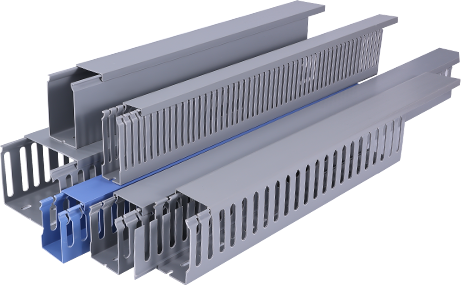

In the intricate world of electrical installations, the unassuming wiring duct has emerged as an essential component that combines functionality, safety, and aesthetic appeal. Often overlooked but universally indispensable, wiring duct for electrical systems plays a crucial role in organizing, protecting, and managing the complex network of wires that power our homes, offices, and industrial facilities.
Electrical wiring duct, also known as wire duct or cable duct, is a specialized channel designed to route and contain electrical wires and cables. Its primary purpose is to provide a structured pathway for electrical conductors while offering protection from physical damage, dust, moisture, and other environmental factors. Available in various materials, sizes, and configurations, wiring duct systems are engineered to meet the diverse needs of different applications, from residential wiring to large-scale industrial projects.
One of the key advantages of using wiring duct for electrical installations is the enhanced organization it provides. Without proper ducting, electrical wires can become tangled, making troubleshooting and maintenance a challenging and time-consuming task. Wiring duct systems allow for systematic arrangement of wires by voltage, function, or phase, enabling electricians to quickly identify and access specific circuits when needed. This organized approach not only improves efficiency but also reduces the risk of errors during installation and repairs.
Safety is another critical benefit of implementing wiring duct for electrical systems. Exposed wires pose significant hazards, including the risk of electrical shock, short circuits, and fire. Wiring duct acts as a protective barrier, shielding live conductors from accidental contact and preventing dust and debris from accumulating on the wires, which could potentially cause overheating. Additionally, many wiring duct systems are constructed from flame-retardant materials that meet strict safety standards, further minimizing fire risks in electrical installations.
The versatility of wiring duct for electrical applications is evident in its wide range of materials and designs. PVC (polyvinyl chloride) is the most common material due to its affordability, durability, and resistance to chemicals and moisture. Metal wiring duct, typically made of steel or aluminum, offers superior mechanical protection and is often used in industrial settings where robustness is a priority. For specialized applications, fiberglass-reinforced plastic (FRP) ducting provides excellent corrosion resistance, making it suitable for harsh environments such as chemical plants or marine installations.
Installation of wiring duct for electrical systems requires careful planning and execution. The process typically begins with a thorough assessment of the electrical layout, including the number and types of wires, their voltage ratings, and the environmental conditions of the installation site. Proper sizing is crucial—ducts that are too small can lead to overcrowding and overheating, while oversized ducts may be inefficient and costly. Once the appropriate ducting system is selected, it is mounted securely using brackets or adhesive, ensuring a stable and reliable pathway for the electrical wires.
Maintenance of wiring duct for electrical systems is equally important to ensure long-term performance and safety. Regular inspections should be conducted to check for signs of damage, such as cracks, discoloration, or deformation, which could compromise the integrity of the ducting. Any accumulated dust or debris should be removed periodically to prevent obstruction and maintain optimal airflow. In addition, as electrical systems evolve and expand, wiring duct systems should be evaluated to ensure they can accommodate new wires and cables without overcrowding.
The evolution of wiring duct for electrical applications has kept pace with technological advancements in the electrical industry. Modern ducting systems often feature innovative designs, such as snap-on covers for easy access, integrated labeling systems for quick identification, and modular components that allow for flexible configurations. Some advanced wiring duct systems even incorporate cable management accessories, such as dividers, markers, and strain relief devices, to further enhance organization and protection.
In conclusion, wiring duct for electrical systems is an unsung hero in the world of electrical installations, providing essential organization, protection, and safety for the complex network of wires that power our modern lives. Its ability to streamline installations, simplify maintenance, and reduce hazards makes it an indispensable component in residential, commercial, and industrial settings alike. As electrical technology continues to advance, the role of wiring duct will only grow in importance, adapting to meet the evolving needs of the industry while maintaining its core mission of ensuring efficient, safe, and reliable electrical systems. By understanding the benefits, types, and best practices associated with wiring duct for electrical applications, professionals can make informed decisions that enhance the performance and longevity of their electrical installations.